

Many Christians have wondered why is 3am the best time to pray. Some believe this quiet hour creates the perfect environment to seek God without distractions, while others associate it with spiritual warfare, deeper worship, or personal encounters with God. However, an important question remains: does the Bible actually teach that 3 AM is the best time to pray, or has this belief developed through Christian tradition and personal experience?
The truth is both encouraging and freeing. Scripture consistently teaches that God hears sincere prayers at any hour of the day or night. At the same time, the Bible also records many examples of faithful people seeking God during the night, in the early morning, and during seasons of silence. These passages have inspired countless believers to dedicate the early hours to prayer, worship, Bible meditation, and spiritual growth.
If you’ve ever awakened around 3 AM and wondered whether it carries spiritual significance, or if you’re considering building a nighttime prayer routine, this guide will help you understand the topic from a balanced biblical perspective. Rather than relying on myths or fear, we’ll explore what Scripture says, why many believers value this time, and how you can develop a meaningful prayer life regardless of the hour.
Understanding the Curiosity Around 3 AM Prayer
Interest in 3 AM prayer has grown significantly over the past several years. Social media, Christian testimonies, prayer groups, and devotional books often describe this hour as a powerful time to seek God’s presence. As a result, many people naturally ask why is 3am the best time to pray and whether there is biblical evidence supporting that belief.
Although many inspiring testimonies exist, it is important to distinguish between personal experiences and biblical doctrine. A testimony may encourage your faith, but Scripture remains the ultimate authority for Christian belief and practice.
Several reasons explain why this topic continues to attract attention:
- Many believers experience unusual peace while praying before sunrise.
- The world is generally quieter, making concentration easier.
- Early morning prayer encourages spiritual discipline.
- Some churches practice nighttime prayer watches.
- Biblical examples show people seeking God during quiet hours.
- Many Christians report receiving guidance during extended prayer.
These reasons help explain the popularity of 3 AM prayer, but they should never replace what the Bible actually teaches.

Why Is 3AM the Best Time to Pray? A Balanced Biblical Perspective
The simple answer is that the Bible never directly states that 3 AM is the best time to pray. No verse commands believers to wake up specifically at 3 AM, nor does Scripture promise greater blessings simply because someone prays at that exact hour.
However, the Bible repeatedly encourages believers to pray faithfully, consistently, and with sincere hearts.
This distinction is important because it protects Christians from turning a helpful spiritual habit into an unnecessary rule. God values a humble heart more than a specific clock time.
Many Christians still choose this hour because it naturally supports several biblical principles:
- Quietness before God
- Focused worship
- Persistent prayer
- Spiritual discipline
- Time away from daily distractions
Instead of making 3 AM a requirement, it is better to see it as an opportunity that works well for many believers.
What Makes the Early Morning So Spiritually Meaningful?
Whether someone prays at 3 AM, 4 AM, or sunrise, the early hours often provide unique spiritual advantages. Before phones begin ringing, emails arrive, or daily responsibilities compete for attention, many people find it easier to focus completely on God.
This quiet environment allows believers to practice personal devotion, biblical meditation, and heartfelt worship without interruption.
Some practical benefits include:
| Benefit | Why It Matters |
|---|---|
| Fewer distractions | Helps maintain concentration during prayer |
| Peaceful surroundings | Encourages reflection and listening to God |
| Better consistency | Makes it easier to build a daily prayer habit |
| Fresh mindset | Allows believers to begin the day with faith |
| Greater focus | Reduces mental clutter and stress |
Although these benefits are practical rather than supernatural, they often lead to richer and more meaningful prayer experiences.
Does the Bible Mention Praying at 3 AM?
One of the biggest misunderstandings surrounding this topic is the assumption that Scripture specifically mentions 3 AM. In reality, no Bible verse identifies 3 AM as a required or uniquely powerful prayer time.
Instead, the Bible emphasizes something much greater: believers should pray continually and seek God faithfully.
Throughout Scripture, we find examples of God’s people praying:
- Early in the morning
- During the night
- At midnight
- Throughout the day
- Before major decisions
- During difficult circumstances
- While giving thanks
These examples reveal an important truth. God’s attention is never limited by the clock.
Rather than asking whether 3 AM is mandatory, a better question is whether your heart is genuinely seeking Him.

How Ancient Prayer Watches Influenced Modern Beliefs
One reason people associate 3 AM with prayer is the historical practice of dividing the night into watches. During biblical times, both Jewish and Roman cultures divided nighttime into periods when guards remained alert and watchful.
Early Christians eventually adopted the idea of praying during various portions of the night. These practices emphasized vigilance, faithfulness, and dependence on God.
Over time, many believers began connecting the hours between midnight and dawn with deeper spiritual reflection.
However, it is important to remember that these traditions developed as spiritual disciplines—not as divine commandments.
Understanding this historical background helps explain why the question why is 3am the best time to pray remains so common among Christians today.
Is 3 AM Called the Devil’s Hour?
Many internet articles claim that 3 AM is the “Devil’s Hour.” This idea has become popular through horror movies, novels, online videos, and urban legends. However, this belief does not come from the Bible.
Scripture never teaches that Satan has special authority at 3 AM.
Instead, the Bible consistently reminds believers that Jesus Christ has authority over every hour of the day and night. Christians do not need to fear a particular time because God’s power never weakens.
Rather than becoming anxious about darkness, believers are encouraged to trust God’s promises, pray with confidence, and remember that His presence remains constant.
Fear-based teachings often distract people from genuine faith. Biblical prayer should be motivated by trust, not by panic.
Why Many Mature Christians Still Prefer Early Morning Prayer
Although 3 AM is not commanded in Scripture, many spiritually mature believers intentionally choose quiet hours for prayer.
Their reasons are usually practical rather than mystical.
Some common reasons include:
- They experience fewer interruptions.
- Their minds feel clearer.
- Family responsibilities have not yet begun.
- Social media and technology are less distracting.
- They can spend longer periods reading Scripture.
- The peaceful atmosphere encourages deeper worship.
For many people, these habits gradually strengthen faith, spiritual discipline, communion with God, and daily devotion.
Notice that none of these reasons depend on superstition. Instead, they encourage believers to create intentional time with God.
A Healthy Way to Think About 3 AM Prayer
Instead of asking whether 3 AM is magically more powerful than every other hour, consider asking a different question:
“When can I consistently give God my full attention?”
For some people, that may be 3 AM.
For others, it may be 6 AM before work.
Some may connect with God during lunch breaks.
Others may pray before bedtime.
The goal is not to chase a particular hour but to cultivate a faithful relationship with God through regular prayer, Scripture reading, and spiritual reflection.
When prayer becomes a daily habit instead of an occasional emergency response, believers often discover deeper peace, stronger faith, and greater confidence in God’s guidance.
Biblical Examples That Inspire Early Morning and Night Prayer
Although many people ask why is 3am the best time to pray, the Bible places greater emphasis on a faithful prayer life than on a specific hour. From Genesis to Revelation, we find men and women who sought God in different seasons of the day. Some prayed before sunrise, others during the night, and many prayed continually throughout their daily lives.
These examples remind us that God responds to sincere faith rather than a particular time on the clock. Still, the quiet hours often provided an ideal setting for focused prayer, which explains why many believers continue the practice today.
Jesus Often Chose Quiet Places to Pray
The greatest example of prayer comes from Jesus Himself. Throughout His earthly ministry, He regularly withdrew from crowds to spend time alone with His Father. While the Gospels never say Jesus specifically prayed at 3 AM, they clearly show that He valued quiet moments when distractions were few.
One well-known example appears in Mark 1:35, where Jesus rose very early in the morning to pray before beginning another busy day of ministry.
This passage teaches several valuable lessons:
- Prayer prepares us for the day’s challenges.
- Quiet moments strengthen our relationship with God.
- Spending time with God should be intentional.
- Solitude often creates space for deeper worship.
Jesus’ example shows that the heart behind prayer matters more than the exact hour.

Jesus Also Prayed Throughout the Night
There were moments when Jesus spent an entire night in prayer, especially before important decisions.
Before choosing His twelve disciples, Jesus prayed all night to the Father. This demonstrates that extended prayer can prepare believers for significant moments in life.
Rather than rushing important decisions, Jesus first sought God’s wisdom.
This teaches us several practical principles:
- Pray before making life-changing decisions.
- Seek God’s guidance before acting.
- Allow prayer to shape your choices.
- Trust God’s timing instead of your own understanding.
These biblical examples explain why many Christians choose quiet nighttime hours for prayer. However, they should never be interpreted as proof that only 3 AM carries spiritual power.
King David Frequently Sought God During the Night
David’s Psalms reveal a deep and personal prayer life. Many of his writings describe remembering God during the night or rising early to seek Him.
Instead of limiting worship to public gatherings, David made prayer part of his daily lifestyle.
His prayers included:
- Praise
- Repentance
- Thanksgiving
- Worship
- Requests for guidance
- Trust during hardship
David teaches believers that every season of life can become an opportunity for conversation with God.
Whether he faced enemies, celebrated victories, or struggled emotionally, prayer remained his first response.
The Psalms Reveal a Heart That Never Stopped Seeking God
One beautiful pattern throughout the Psalms is David’s constant desire to remain close to God.
Sometimes he praised God before sunrise.
Other times he cried out during sleepless nights.
He often meditated on God’s promises while others rested.
This consistency reminds believers that spiritual growth comes from regular fellowship with God rather than occasional emotional experiences.
When people ask why is 3am the best time to pray, David’s example offers an important perspective: faithful prayer matters far more than the hour itself.
Paul and Silas Prayed at Midnight
One of the Bible’s most powerful prayer stories occurs while Paul and Silas were imprisoned.
Instead of complaining about their circumstances, they prayed and sang hymns to God around midnight.
Their worship demonstrated remarkable faith despite physical suffering.
Several lessons emerge from this account:
- Prayer is powerful during difficult seasons.
- Worship changes our perspective.
- God remains present in every circumstance.
- Faith grows stronger through perseverance.
- Hope can flourish even in painful situations.
Although this event happened at midnight rather than 3 AM, it illustrates that God hears prayers offered at every hour.
The miracle came because of God’s power—not because of the time.
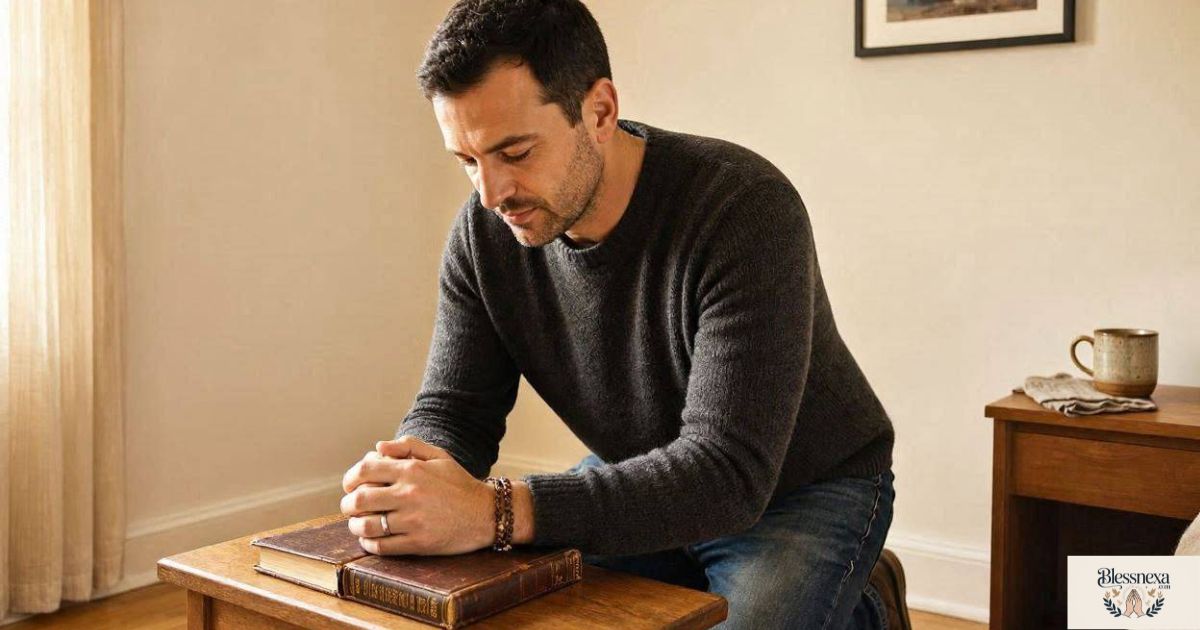
Daniel Maintained a Consistent Prayer Routine
Daniel lived in a foreign land under tremendous pressure. Even when prayer became dangerous, he refused to abandon his relationship with God.
Instead of praying only during emergencies, Daniel followed a consistent daily pattern.
His life demonstrates that:
- Consistency produces spiritual maturity.
- Prayer should become a habit.
- Faithfulness matters more than convenience.
- Trust in God overcomes fear.
Daniel’s discipline encourages Christians to establish regular prayer times that fit their daily lives.
Hannah’s Prayer Shows That Sincerity Matters Most
Hannah’s heartfelt prayer in the temple remains one of Scripture’s most touching examples of honest communication with God.
She poured out her grief with complete sincerity.
God responded not because she prayed during a particular hour, but because her heart was fully devoted to Him.
Her story reminds us that God listens to:
- Broken hearts.
- Honest prayers.
- Humble faith.
- Persistent trust.
This truth applies whether someone prays at sunrise, noon, evening, or during the middle of the night.
The Bible Encourages Continual Prayer
One of the clearest teachings about prayer appears in the New Testament.
Believers are encouraged to “pray without ceasing.”
This instruction shifts the focus away from one specific hour and toward an ongoing relationship with God.
A continual prayer life includes:
- Morning gratitude.
- Midday guidance.
- Evening thanksgiving.
- Quiet conversations with God throughout the day.
- Trust during unexpected challenges.
Instead of reserving prayer for special moments, Christians are invited to remain spiritually connected throughout daily life.
Does the “Third Watch” Mean 3 AM?
Many discussions about why is 3am the best time to pray mention the “third watch” or “fourth watch” of the night. These terms come from ancient systems used to divide nighttime into periods.
During biblical times, watches helped soldiers remain alert while guarding cities and camps.
Because these systems changed over history, people sometimes confuse the exact hours.
The important point is not calculating the watches perfectly but understanding their symbolism.
Night watches represented:
- Readiness
- Vigilance
- Faithfulness
- Dependence on God
Jesus even used the language of watchfulness to encourage His followers to remain spiritually prepared.
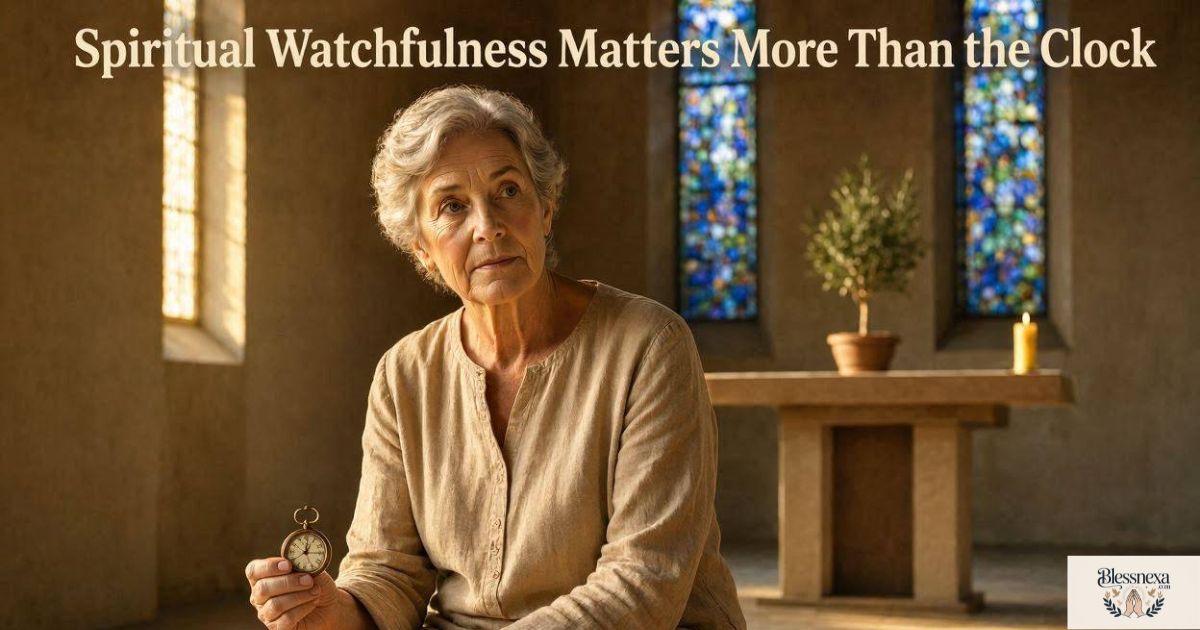
Spiritual Watchfulness Matters More Than the Clock
The idea of staying spiritually awake appears throughout Scripture.
Believers are called to remain alert against temptation, faithful during trials, and ready for Christ’s return.
This type of watchfulness is primarily spiritual rather than chronological.
You can remain spiritually alert whether you pray:
- At 3 AM.
- At sunrise.
- During lunch.
- Before bedtime.
God desires attentive hearts more than perfectly timed schedules.
Common Myths About 3 AM Prayer
As interest in nighttime prayer has grown, several myths have also become popular online. These ideas often spread quickly but lack solid biblical support.
Let’s separate fact from fiction.
| Myth | Biblical Reality |
|---|---|
| God only answers prayers at 3 AM. | God hears sincere prayers at all times. |
| Every Christian must wake up at 3 AM. | Scripture never commands this. |
| 3 AM guarantees miracles. | Miracles come through God’s will, not a clock. |
| Satan controls 3 AM. | The Bible never teaches this. |
| Missing 3 AM prayer brings spiritual failure. | Faithfulness matters more than a specific schedule. |
Understanding these differences helps believers avoid unnecessary fear or guilt.
Why Quiet Hours Can Deepen Your Prayer Life
Although 3 AM is not spiritually superior, many Christians genuinely experience deeper focus during the early morning.
Several practical reasons explain why.
During these hours:
- The house is usually silent.
- Notifications rarely interrupt prayer.
- The mind often feels calmer.
- There are fewer responsibilities demanding attention.
- Reflection becomes easier.
This peaceful environment allows believers to spend more time in Bible study, personal worship, thanksgiving, and listening prayer.
These practical advantages—not mystical powers—are why many people treasure early morning prayer.
Can God Wake You Up at 3 AM?
Some believers testify that they occasionally wake unexpectedly during the night and feel prompted to pray.
Could God use such moments?
Certainly.
Throughout Scripture, God has communicated with people in various ways during the night. However, every experience should always be tested against biblical truth.
If you wake at 3 AM and feel led to pray, there is nothing wrong with responding.
At the same time, you should avoid assuming that every nighttime awakening carries a supernatural message.
Sometimes the reason is spiritual.
Sometimes it is simply physical.
Wisdom comes from balancing personal experiences with Scripture rather than building doctrine from isolated events.
Spiritual Benefits of Early Morning Prayer
Many believers ask why is 3am the best time to pray because they have heard testimonies of lives being changed during the quiet hours of the night. While the Bible never promises greater power at exactly 3 AM, it does show that intentional prayer can transform the heart. The benefits come from spending meaningful time with God, not from the hour itself.
When distractions are limited, many Christians find it easier to focus on God’s presence, biblical meditation, and personal worship. This uninterrupted time often strengthens faith and builds a deeper relationship with the Lord.
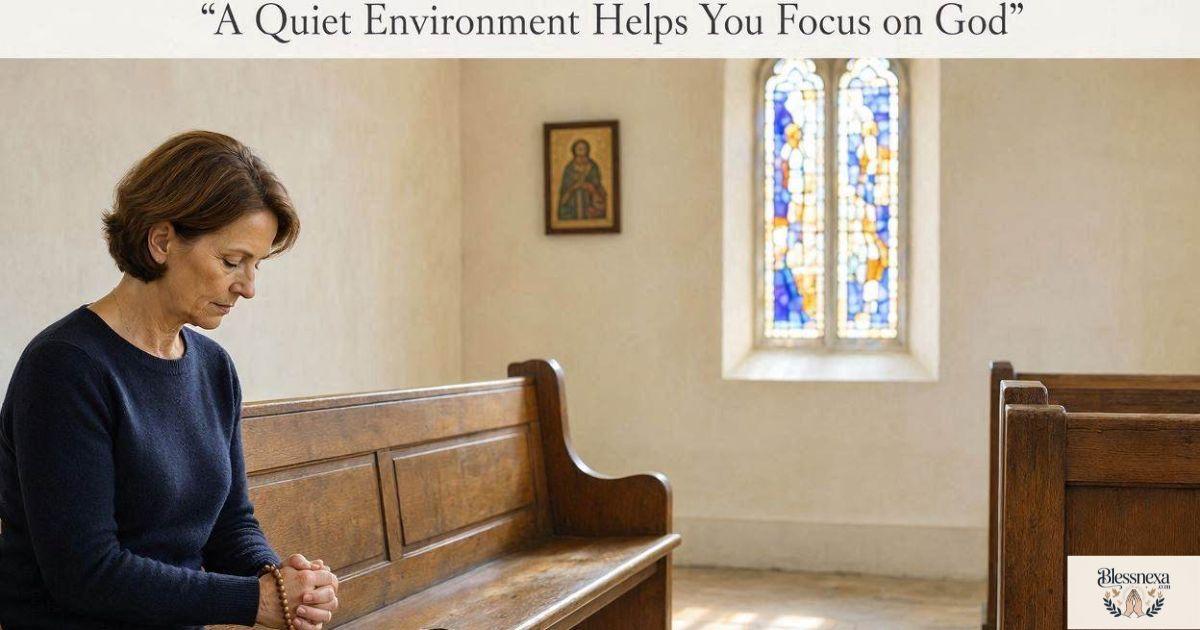
A Quiet Environment Helps You Focus on God
Modern life is filled with constant noise. Phones vibrate, emails arrive, and responsibilities compete for attention. As a result, many people struggle to pray without interruption.
The early morning offers something that is increasingly rare—silence.
This peaceful atmosphere allows believers to:
- Read Scripture carefully.
- Reflect on God’s promises.
- Pray without rushing.
- Listen quietly before speaking.
- Begin the day with confidence instead of stress.
For many Christians, this calm environment answers part of the question, why is 3am the best time to pray, because it removes many of the distractions that often weaken concentration.
Prayer Before the Day Begins Shapes Your Attitude
Starting the day with prayer changes more than your schedule. It can also change your perspective.
Instead of reacting to problems, you begin by placing your trust in God.
This simple habit often helps believers:
- Face challenges with greater peace.
- Respond with patience.
- Make wiser decisions.
- Show more kindness.
- Remember God’s promises throughout the day.
Prayer does not eliminate every difficulty, but it prepares your heart to face those difficulties with faith.
Early Morning Prayer Builds Spiritual Discipline
Every healthy relationship requires consistency. Our relationship with God is no different.
Choosing a regular time for prayer teaches commitment, even when emotions fluctuate.
Over time, this discipline can help you develop:
- A stronger prayer habit.
- Greater self-control.
- Consistent Bible reading.
- Increased spiritual maturity.
- A deeper desire to seek God daily.
These qualities grow gradually. They are the result of faithful practice rather than dramatic experiences.

Quiet Prayer Creates Space for Honest Reflection
Many people spend their entire day moving from one task to another without slowing down.
Prayer offers an opportunity to pause.
During quiet moments with God, believers often examine their hearts, confess their sins, express gratitude, and seek wisdom for future decisions.
This kind of reflection encourages spiritual growth, repentance, and renewed faith.
Instead of carrying burdens alone, Christians learn to place them before God.
Why Consistency Matters More Than the Exact Time
One of the biggest mistakes people make is believing that spiritual success depends on praying at exactly 3 AM.
The Bible teaches something different.
Consistency matters far more than the clock.
Someone who faithfully prays every morning at 6 AM is not spiritually weaker than someone who occasionally wakes at 3 AM.
God desires faithful hearts rather than perfect schedules.
If 3 AM works well for you, embrace it.
If another time allows you to pray consistently, that can be equally meaningful.
Practical Ways to Prepare for 3 AM Prayer
If you want to try praying during the early morning, preparation makes a significant difference.
Instead of waking up confused and tired, create a simple routine that helps you focus.
Consider these practical ideas:
- Go to bed earlier whenever possible.
- Set a gentle alarm.
- Drink a glass of water before praying.
- Choose a quiet place.
- Keep your Bible nearby.
- Remove unnecessary distractions.
- Begin with gratitude.
- End by reflecting on Scripture.
These small habits make early morning prayer more enjoyable and sustainable.

A Simple Structure for Meaningful Prayer
Some believers feel unsure about what to pray, especially during longer prayer sessions.
Having a simple structure can help.
A balanced prayer time may include:
| Prayer Step | Purpose |
|---|---|
| Praise | Honor God’s character. |
| Thanksgiving | Thank Him for His blessings. |
| Confession | Admit sins with humility. |
| Requests | Present personal needs. |
| Intercession | Pray for family, friends, and others. |
| Scripture Reading | Listen to God’s Word. |
| Quiet Reflection | Spend a few moments in silence. |
This approach keeps prayer balanced and centered on God rather than only on personal requests.
10 Original 3 AM Prayers for Strength and Guidance
If you have wondered why is 3am the best time to pray, these short prayers can help you begin your quiet time with confidence. Feel free to personalize them as you grow in your own relationship with God.
Prayer 1
Heavenly Father, thank You for this quiet moment. Calm my heart and help me focus on Your presence. Guide every step I take today. Amen.
Prayer 2
Lord, fill my mind with Your wisdom. Help me choose what is right and trust You when I cannot see the whole path ahead. Amen.
Prayer 3
Father, give me peace that overcomes anxiety. Replace fear with faith and remind me that You are always with me. Amen.
Prayer 4
Lord Jesus, forgive my sins and renew my heart. Help me walk in obedience and reflect Your love in everything I do. Amen.
Prayer 5
Gracious God, strengthen my family. Protect each person I love and draw us closer to You every day. Amen.
Prayer 6
Father, help me remain faithful during difficult seasons. Teach me to trust Your timing instead of becoming discouraged. Amen.
Prayer 7
Lord, open my heart to Your Word. Let every verse I read shape my thoughts, attitudes, and actions. Amen.
Prayer 8
Heavenly Father, bless my work today. Give me wisdom, integrity, and a grateful spirit in every responsibility. Amen.
Prayer 9
Lord, help me become a source of encouragement. Let my words bring hope, kindness, and peace to those around me. Amen.
Prayer 10
Father, thank You for Your unfailing love. Whatever this day brings, help me remember that Your grace is sufficient for every challenge. Amen.

Common Mistakes People Make During Night Prayer
Early morning prayer can be deeply meaningful, but several common mistakes may reduce its effectiveness.
Avoid these habits whenever possible.
Treating 3 AM Like a Magic Formula
Some people assume that praying at 3 AM automatically guarantees miracles.
The Bible never teaches this.
Prayer is about trusting God’s will, not unlocking a secret spiritual formula.
Ignoring Scripture
Prayer and Scripture belong together.
If we only speak to God without listening through His Word, our spiritual growth becomes unbalanced.
Always make time for Bible reading alongside prayer.
Focusing Only on Personal Needs
God invites us to bring our requests before Him, but prayer should include much more.
Healthy prayer also includes:
- Worship
- Thanksgiving
- Confession
- Intercession
- Listening
- Praise
A balanced prayer life strengthens both faith and character.
Becoming Discouraged Too Quickly
Some believers expect immediate answers after only a few days of praying.
God sometimes answers quickly.
Other times He teaches patience, perseverance, and deeper trust.
Faith continues praying even when answers take time.
Signs of a Healthy Prayer Life
Instead of measuring your spiritual growth by the hour you pray, look for evidence that your relationship with God is becoming stronger.
Healthy spiritual growth often includes:
- Greater love for God.
- Increased patience.
- More compassion for others.
- A stronger desire to obey Scripture.
- Greater peace during difficult seasons.
- Consistent communication with God.
- Growing trust in His promises.
These changes reflect genuine spiritual maturity far more than simply waking up at a certain hour.
Remember the Purpose Behind Prayer
As you continue exploring why is 3am the best time to pray, keep the main purpose in mind.
Prayer is not about proving spiritual dedication to others.
It is not about following internet trends.
And it is certainly not about earning God’s love.
Prayer is an invitation to know God more deeply.
Whether you pray at 3 AM, sunrise, or before going to bed, your greatest goal should always be growing closer to Him through faith, worship, obedience, and daily fellowship.
Does Praying at 3 AM Mean You Are in Spiritual Warfare?
One reason people search why is 3am the best time to pray is because they have heard that waking at this hour is connected to spiritual warfare. Some testimonies describe powerful moments of prayer during the night, while others claim that 3 AM is when spiritual attacks are strongest.
The Bible, however, presents a balanced picture.
Scripture clearly teaches that spiritual warfare is real. Believers are encouraged to stay alert, put on the armor of God, and rely on God’s strength. At the same time, the Bible never says that spiritual battles happen only at 3 AM or that Christians must wake at this hour to defeat the enemy.
God’s protection is available every moment of every day.
What Does the Bible Teach About Spiritual Warfare?
The Bible reminds believers that the Christian life involves spiritual opposition. This battle is not against people but against unseen spiritual forces.
Instead of responding with fear, Christians are called to stand firm in faith.
Biblical spiritual warfare includes:
- Trusting God’s promises.
- Living in obedience.
- Praying consistently.
- Reading Scripture regularly.
- Resisting temptation.
- Depending on the Holy Spirit.
These practices strengthen believers regardless of whether they pray during the morning, afternoon, or late at night.
Why Some Christians Choose to Pray During the Night
Throughout church history, many believers have intentionally prayed during nighttime hours. Some did so because the environment was peaceful. Others used the time for extended worship or intercession.
Their motivation was not based on fear.
Instead, they valued:
- Quietness.
- Solitude.
- Spiritual focus.
- Uninterrupted fellowship with God.
These reasons continue to inspire Christians today. While this explains part of why is 3am the best time to pray for many people, Scripture never makes it a universal requirement.
Is Waking Up at 3 AM a Sign From God?
This question has become increasingly common.
The honest answer is that it can be—but not always.
God is certainly able to wake someone during the night and impress a burden to pray. Throughout the Bible, God communicated with people in various ways, including during the night.
However, not every awakening should be interpreted as a supernatural message.
There are many possible reasons you may wake at 3 AM:
- Stress.
- Changes in sleep patterns.
- Medical conditions.
- Environmental noise.
- Personal habits.
- A genuine desire to pray.
Wisdom comes from testing every experience against Scripture instead of assuming every event carries spiritual meaning.
How Should You Respond if You Wake at 3 AM?
If you wake naturally and feel peaceful, you might consider spending a few minutes with God.
You don’t need to force a long prayer.
Even a short conversation with God can strengthen your faith.
A simple routine might include:
- Thank God for His presence.
- Read a short passage of Scripture.
- Pray for your family.
- Bring your concerns before God.
- Sit quietly for a few moments.
- Return to sleep if needed.
This approach keeps the focus on building your relationship with God rather than chasing extraordinary experiences.
How to Pray With Faith Instead of Fear
Some online teachings create unnecessary anxiety by suggesting that terrible things will happen if believers do not pray at 3 AM.
The Bible never teaches this.
Christian prayer should be motivated by love, trust, and dependence on God—not fear.
Remember these truths:
- God is with you day and night.
- His promises never expire.
- His protection is constant.
- His love does not depend on the hour you pray.
When faith replaces fear, prayer becomes a joyful conversation instead of a stressful obligation.
Practical Habits That Make Early Morning Prayer Easier
If you decide that early morning prayer fits your lifestyle, developing healthy habits will help you remain consistent.
Small changes often produce lasting results.
Consider these practical suggestions:
Prepare the Night Before
Going to bed at a reasonable time makes early prayer much easier.
Late-night entertainment often leaves people too tired to pray with focus.
Keep Your Bible Nearby
Avoid spending the first few minutes searching for your Bible or devotional.
Prepare everything before going to bed.
Limit Digital Distractions
Resist the temptation to check social media before praying.
Even a few notifications can quickly steal your attention.
Pray With a Purpose
Instead of repeating the same words every day, choose one or two areas to focus on.
For example:
- Your relationship with God.
- Your family.
- Your work.
- Your church.
- Someone who needs encouragement.
Purposeful prayer helps prevent routine from becoming empty repetition.
10 Original 3 AM Breakthrough Prayers
If you’ve been wondering why is 3am the best time to pray, these original prayers can help you spend meaningful time with God. They are simple, Scripture-centered, and easy to personalize.
Prayer for Wisdom
Father, give me wisdom beyond my own understanding. Help me make decisions that honor You and bless those around me. Amen.
Prayer for Peace
Lord, quiet every anxious thought within me. Fill my heart with Your peace and remind me that You remain in control. Amen.
Prayer for Strength
Heavenly Father, strengthen me when I feel weak. Help me trust Your power instead of relying on my own abilities. Amen.
Prayer for Guidance
Lord, direct my steps today. Close the wrong doors and lead me toward the plans You have prepared for me. Amen.
Prayer for Forgiveness
Merciful Father, forgive my sins and create in me a clean heart. Teach me to extend the same grace to others. Amen.
Prayer for Family
Lord, watch over my family. Protect them physically, emotionally, and spiritually. Draw each of us closer to You every day. Amen.
Prayer for Faith
Father, increase my faith when doubts arise. Help me believe Your promises even when I cannot see immediate answers. Amen.
Prayer for Healing
Lord, bring healing wherever pain exists. Restore broken hearts, strengthen weary bodies, and renew hope through Your mercy. Amen.
Prayer for Protection
Heavenly Father, surround me with Your presence today. Guard my thoughts, my words, and every step I take. Amen.
Prayer of Gratitude
Lord, thank You for Your constant love. Help me notice Your blessings, even during ordinary moments, and live with a thankful heart. Amen.
Bible Verses That Encourage Faithful Prayer
Although no verse specifically commands believers to pray at 3 AM, many passages encourage a consistent and confident prayer life.
Here are several themes found throughout Scripture:
| Biblical Theme | Practical Lesson |
|---|---|
| Pray continually | Maintain an ongoing relationship with God. |
| Seek God early | Make Him your first priority. |
| Trust God’s timing | Answers may come differently than expected. |
| Pray with thanksgiving | Gratitude strengthens faith. |
| Persevere in prayer | Don’t lose heart when answers seem delayed. |
| Pray for others | Intercession reflects Christ’s love. |
These timeless principles apply whether you pray before sunrise, during lunch, or before bedtime.
How Early Morning Prayer Can Change Daily Life
A consistent prayer habit often influences every area of life.
Many believers notice changes such as:
- Greater patience with others.
- Better emotional balance.
- Increased gratitude.
- Stronger trust during uncertainty.
- More confidence in God’s guidance.
- Greater desire to read Scripture.
- Improved spiritual discipline.
These changes usually happen gradually.
They reflect the steady work of God in a believer’s life rather than dramatic overnight transformation.
Avoid Comparing Your Prayer Life With Others
Every Christian grows at a different pace.
Some enjoy praying before dawn.
Others connect deeply with God during evening quiet time.
Neither approach is spiritually superior if it is rooted in sincere faith.
Comparing yourself with others can lead to guilt or pride.
Instead, focus on developing a consistent relationship with God that fits your season of life.
The Greatest Goal of Prayer
As we continue exploring why is 3am the best time to pray, it is important to remember that prayer has one central purpose.
Its greatest goal is not simply to receive blessings.
It is to know God more deeply.
As your relationship with Him grows, your prayers become less focused on getting what you want and more focused on becoming the person He created you to be.
That transformation is one of the greatest blessings faithful prayer can bring.
FAQs
Why is 3AM prayer so powerful?
Many believers consider 3 AM prayer powerful because the early morning is usually quiet and free from distractions. This peaceful environment allows for deeper prayer, Bible study, and worship. However, the Bible does not teach that 3 AM has greater spiritual power than any other hour. The power of prayer comes from God, not from the time on the clock. A sincere heart, faith, and trust in God’s promises are what make prayer effective.
Why is 3AM a holy hour?
The Bible never calls 3 AM a “holy hour.” This belief comes mainly from Christian traditions, personal testimonies, and the practice of praying during the night watches. Many Christians choose this time because it provides silence and fewer interruptions. While 3 AM can be a meaningful time to seek God, every hour belongs to Him, and He hears faithful prayers offered at any time of the day or night.
What does the Bible say about 3AM?
Scripture does not specifically mention 3 AM as a required time for prayer. Instead, the Bible encourages believers to pray continually, seek God with all their hearts, and remain faithful in every season. Jesus prayed early in the morning, sometimes throughout the night, and often withdrew to quiet places. These examples inspire believers to make prayer a regular part of life without limiting it to one specific hour.
Should I wake up at 3AM every day to pray?
Not necessarily. If waking at 3 AM helps you spend uninterrupted time with God, it can become a meaningful spiritual habit. However, the Bible never commands every Christian to pray at that hour. Choose a time when you can consistently focus on God’s Word, prayer, and spiritual growth. Consistency is far more important than following a particular schedule.
Can God answer prayers offered at other times of the day?
Absolutely. God is not limited by time. He hears prayers in the morning, afternoon, evening, and throughout the night. Whether you pray before work, during a lunch break, or before going to sleep, God listens to those who come to Him with faith and humility. The most important thing is maintaining a genuine relationship with Him through regular prayer and obedience.
Conclusion
So, why is 3am the best time to pray?
The most balanced biblical answer is that 3 AM is not the only or officially “best” time to pray, but it can be one of the most beneficial times for many believers. The quietness of the early morning, the absence of distractions, and the opportunity for uninterrupted fellowship with God make it an ideal time for many Christians to pray, study Scripture, and worship.
At the same time, the Bible never teaches that God only answers prayers offered at 3 AM or that believers must wake at this hour to experience His presence. Instead, Scripture consistently emphasizes faith, obedience, perseverance, and a sincere heart. Whether you pray before sunrise, during the day, or late at night, God invites you to approach Him with confidence because He is always listening.
Rather than focusing only on the clock, focus on developing a daily habit of seeking God. Make prayer a natural part of your life, spend time reading His Word, and trust His guidance in every season. As your relationship with Him grows, you’ll discover that the greatest blessing is not praying at a particular hour—it is walking closely with Him every day.
If you’ve been searching why is 3am the best time to pray, remember this simple truth: the best time to pray is the time when you intentionally and consistently seek God with your whole heart. Whether that happens at 3 AM or another quiet moment in your day, your faithful prayers are precious to Him.

welcome to blessnexa I am Muhammad inam an ai powered seo and content writer with 4 years of experienceI help website rank higher , grow traffic ,and look amazing ,my goal is to make SEO and web design simple andeffective for everyone .lets achieve more togather