
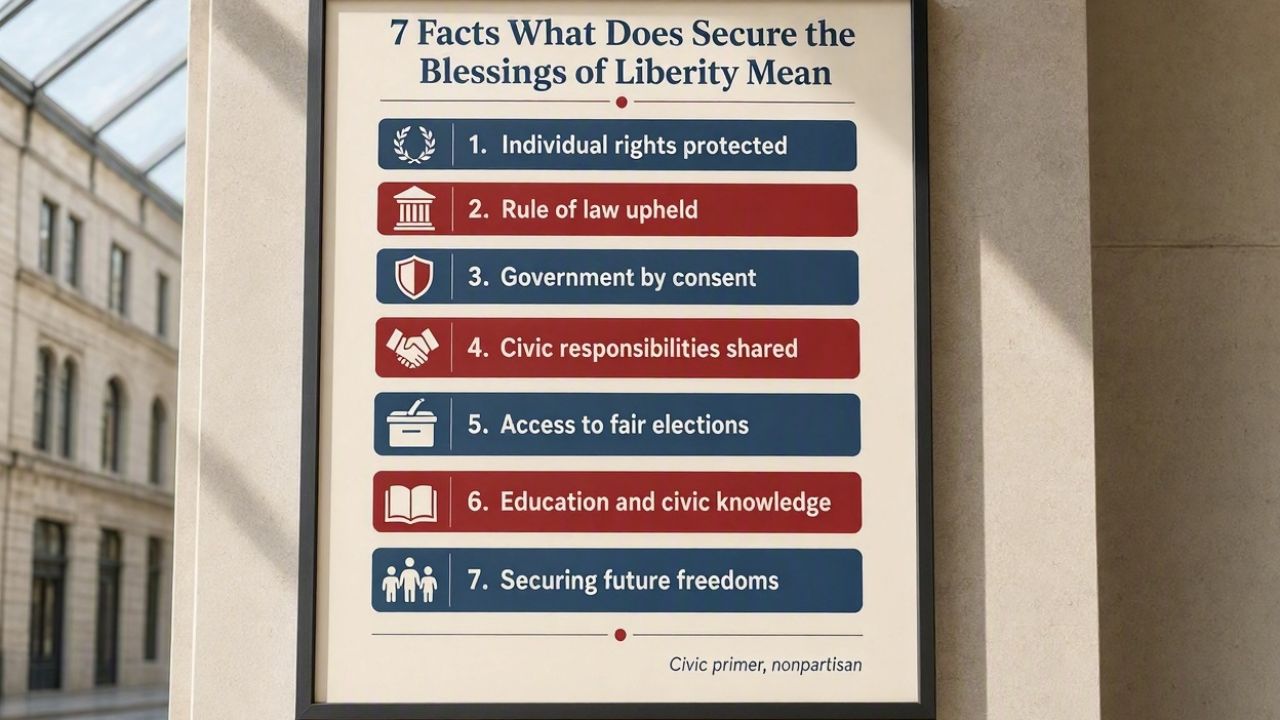
The phrase what does secure the blessings of liberty mean comes from the Preamble to the United States Constitution. It describes one of the Constitution’s central purposes: protecting freedom for people living in the country and for future generations. Although the wording is short, the idea behind it reaches into individual rights, government responsibility, justice, civic participation, and the rule of law.
The phrase can seem difficult at first because words such as “secure,” “blessings,” and “posterity” sound formal. However, the basic idea is straightforward. The Constitution seeks to create a government capable of protecting the freedoms that allow people to live, work, speak, worship, participate, and pursue their lives under established laws.
This guide explains what does secure the blessings of liberty mean in simple language. It also examines the historical setting, the meaning of each important word, real-life examples, and the role citizens play in preserving liberty.
1. The Powerful Meaning Behind the Constitutional Phrase
- Secure means to protect, preserve, or make something safe.
- Blessings of liberty refers to the benefits people receive from living with freedom and protected rights.
- To ourselves refers to the people living at the time the Constitution was established.
- Our posterity means future generations.
- Together, the phrase expresses a long-term goal of protecting freedom rather than treating it as temporary.
- In simple terms, what does secure the blessings of liberty mean can be answered as: protect the benefits of freedom for people today and for those who come after them.
- The phrase also suggests that liberty requires protection.
- Freedom cannot remain secure if laws and institutions fail to defend individual rights.
- Therefore, the wording connects liberty with responsible government.
- It also connects present choices with the interests of future Americans.
2. The Preamble Gives the Phrase Its Full Context
- The Preamble begins with the famous words, “We the People.”
- That opening establishes the people as the source of governmental authority.
- It then identifies several purposes for creating the Constitution.
- Those purposes include forming a stronger union, establishing justice, maintaining domestic tranquility, providing for common defense, promoting general welfare, and securing liberty.
- The phrase therefore appears within a broader statement about the purposes of government.
- What does secure the blessings of liberty mean becomes clearer when the surrounding purposes are considered together.
- Justice helps protect rights.
- Domestic peace creates conditions in which people can exercise freedom.
- A functioning government helps maintain the legal framework necessary for liberty.
- The Preamble therefore presents liberty as part of a larger constitutional system.
3. What Does “Secure” Really Mean Here?
- The word secure does not simply mean “give.”
- It suggests protecting something that is valuable.
- It can also imply preserving something against threats.
- In constitutional language, security involves dependable institutions and laws.
- The government must operate within established limits.
- Courts must interpret and apply laws.
- Citizens must have mechanisms for challenging government actions.
- Rights must have practical protection rather than existing only as abstract promises.
- This helps explain what does secure the blessings of liberty mean.
- The phrase emphasizes preservation as well as enjoyment.
- Liberty is valuable, but it can be weakened by abuse of power, unjust laws, violence, discrimination, or disregard for constitutional limits.
- Consequently, securing liberty requires continuing attention.

4. Understanding the “Blessings of Liberty”
- The word blessings gives the phrase a positive and human dimension.
- It refers to the valuable benefits associated with living in a free society.
- These benefits include opportunities for personal choice.
- They can also include protected expression, religious liberty, peaceful assembly, and participation in public life.
- The concept is broader than one individual right.
- Instead, it describes the overall benefits created when individual rights, lawful government, and civic institutions work together.
- What does secure the blessings of liberty mean therefore involves more than protecting one freedom.
- It concerns a system in which people can exercise multiple freedoms under the protection of law.
- Liberty also allows individuals to develop their talents, opinions, beliefs, relationships, and ambitions.
- Those freedoms are meaningful only when people can exercise them without arbitrary government interference.
5. Why “To Ourselves and Our Posterity” Matters
- The phrase does not stop with people living in the present.
- It specifically refers to future generations.
- “Posterity” means descendants or people who will live in later generations.
- This creates a powerful connection between present constitutional decisions and future citizens.
- What does secure the blessings of liberty mean therefore includes an obligation to think beyond immediate interests.
- A society can enjoy freedom today while weakening institutions that future generations will need.
- The constitutional idea encourages preservation rather than short-term thinking.
- It asks citizens and leaders to consider whether their actions strengthen or weaken freedom over time.
- This is one reason the phrase remains relevant centuries after the Constitution was written.
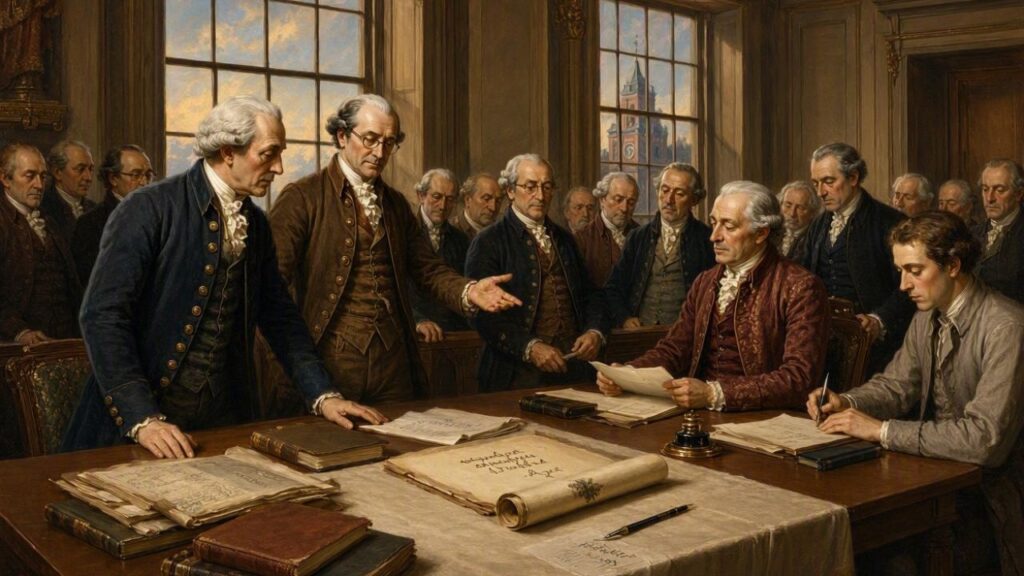
6. The Historical Setting of the Constitution
- The Constitution was drafted in 1787 during a period of major political change.
- The United States had gained independence from Great Britain.
- The new nation then faced the challenge of creating a durable national government.
- The Articles of Confederation had created a relatively weak central structure.
- Many political leaders believed the country needed a stronger framework.
- The Constitutional Convention met in Philadelphia to address these problems.
- The resulting Constitution established a new federal system.
- The Preamble summarized the purposes of that system.
- What does secure the blessings of liberty mean must therefore be understood within this historical effort to create a stable government.
- The framers were concerned with both governmental power and governmental weakness.
- They sought a structure capable of maintaining order while limiting abuses of authority.
7. Liberty Was Connected to the Rule of Law
- Liberty does not simply mean doing anything a person wants.
- In a constitutional republic, freedom operates within a framework of law.
- Rule of law means that government officials and citizens are subject to established legal rules.
- Laws should apply through recognized procedures rather than arbitrary personal commands.
- This structure helps protect people from unpredictable government action.
- It also provides a method for resolving disputes.
- Courts can review legal questions.
- Legislatures can create and revise laws.
- Executive officials can enforce laws within their authority.
- These institutions help explain what does secure the blessings of liberty mean in practical terms.
- Freedom becomes more dependable when legal institutions operate consistently.

8. Liberty and Justice Must Work Together
- Justice is another major purpose identified in the Preamble.
- Liberty without justice can become unequal or unstable.
- If laws protect freedom for some people but deny basic rights to others, the promise of liberty remains incomplete.
- Equal protection, fair procedures, and access to legal remedies are important parts of a functioning constitutional system.
- Justice also requires peaceful ways to address disagreements.
- Courts provide one such mechanism.
- Legislatures provide another through democratic lawmaking.
- Citizens can also participate through voting, public discussion, petitions, and civic organizations.
- This broader relationship helps explain what does secure the blessings of liberty mean.
- Protecting liberty requires institutions that can address conflicts without abandoning constitutional principles.
9. The Difference Between Liberty and Freedom
- The words liberty and freedom are often used interchangeably.
- In everyday conversation, both can describe the ability to make personal choices.
- However, liberty can also emphasize rights protected within a political and legal system.
- Freedom may be used more broadly to describe the absence of restrictions.
- Liberty often carries a stronger constitutional meaning.
- For example, a person may have freedom of speech because the legal system protects expressive activity.
- At the same time, that freedom operates alongside laws concerning other legitimate interests.
- What does secure the blessings of liberty mean is therefore closely connected with protected liberty rather than unlimited personal action.
- The phrase concerns freedom within an ordered constitutional society.

10. Seven Major Benefits Associated With Liberty
- Freedom of expression: People can communicate opinions and ideas within constitutional protections.
- Religious liberty: Individuals have important protections concerning religious belief and practice.
- Peaceful assembly: People can gather to express views and participate in civic activity.
- Political participation: Citizens can take part in elections and public debate.
- Personal autonomy: Individuals retain meaningful space for personal decisions.
- Legal protection: People can seek legal remedies when rights are violated.
- Future opportunity: A stable constitutional system can preserve freedom for later generations.
- These benefits help make the phrase more understandable.
- When asking what does secure the blessings of liberty mean, it is useful to see liberty as a collection of protected opportunities.
- Those opportunities are supported by constitutional institutions and civic responsibility.
11. How the Constitution Helps Protect Liberty
- The Constitution divides governmental authority among different branches.
- This creates a system of checks and balances.
- Congress exercises legislative powers.
- The executive branch carries out federal laws.
- The judiciary interprets law and resolves constitutional disputes.
- The separation of powers helps prevent excessive concentration of authority.
- Federalism also divides power between the national government and states.
- The Bill of Rights adds important protections for individual liberties.
- Later constitutional amendments expanded and strengthened constitutional protections.
- These structures provide practical context for what does secure the blessings of liberty mean.
- Liberty is not protected by one sentence alone.
- It depends on a larger constitutional framework.
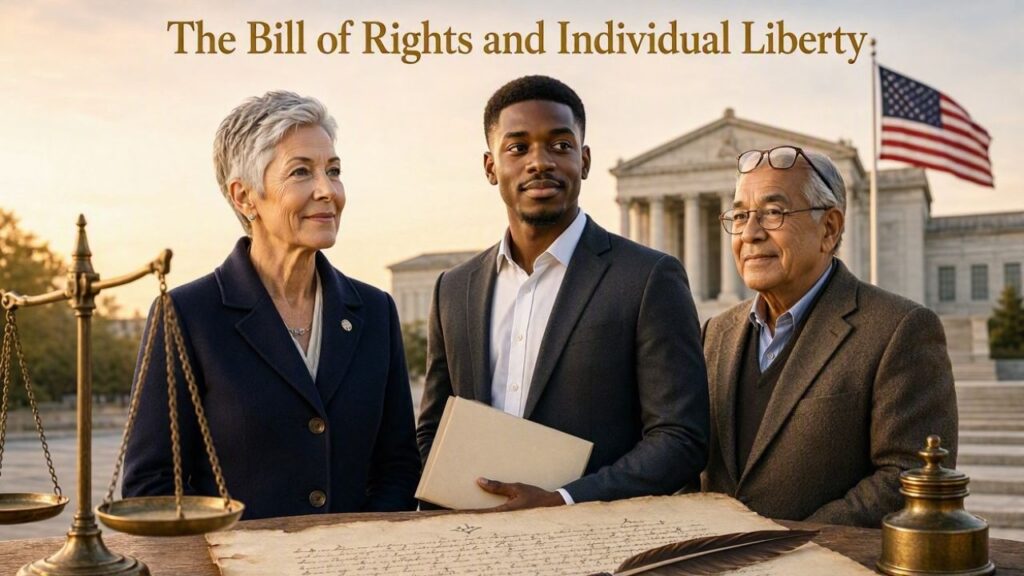
12. The Bill of Rights and Individual Liberty
- The first ten amendments are commonly known as the Bill of Rights.
- They address several important individual freedoms and legal protections.
- The First Amendment protects several freedoms involving speech, religion, press, assembly, and petition.
- Other amendments address issues involving criminal procedure, searches, trials, and other rights.
- These protections help demonstrate how constitutional liberty became more specific.
- The Preamble states a broad purpose.
- Later constitutional provisions establish more detailed rules and protections.
- What does secure the blessings of liberty mean therefore becomes easier to understand when the Preamble is viewed alongside the Constitution as a whole.
- The phrase expresses a goal, while constitutional provisions provide structures and protections related to that goal.
13. Why Checks and Balances Matter
- Checks and balances reduce the risk of concentrated governmental power.
- Each branch has defined responsibilities.
- Each branch also has ways to interact with or limit the others.
- This arrangement can make government slower than a system controlled by one authority.
- However, that difficulty can serve an important purpose.
- It can prevent sudden exercises of power from occurring without institutional review.
- Constitutional limits can therefore help preserve liberty.
- What does secure the blessings of liberty mean includes the idea that governmental power should operate through established boundaries.
- A government powerful enough to maintain order also needs restraints that protect citizens.
14. Seven Everyday Examples of Liberty
- A citizen peacefully expresses a political opinion.
- A person attends a religious service according to personal belief.
- Residents organize a lawful community meeting.
- Voters participate in an election.
- Journalists investigate and report on public matters.
- A person challenges government action through legal procedures.
- Citizens petition officials about an issue affecting their community.
- These examples show how constitutional concepts can appear in ordinary life.
- What does secure the blessings of liberty mean becomes less abstract when connected to everyday experiences.
- Liberty is not limited to historical documents or courtroom arguments.
- It can affect ordinary choices and civic participation.
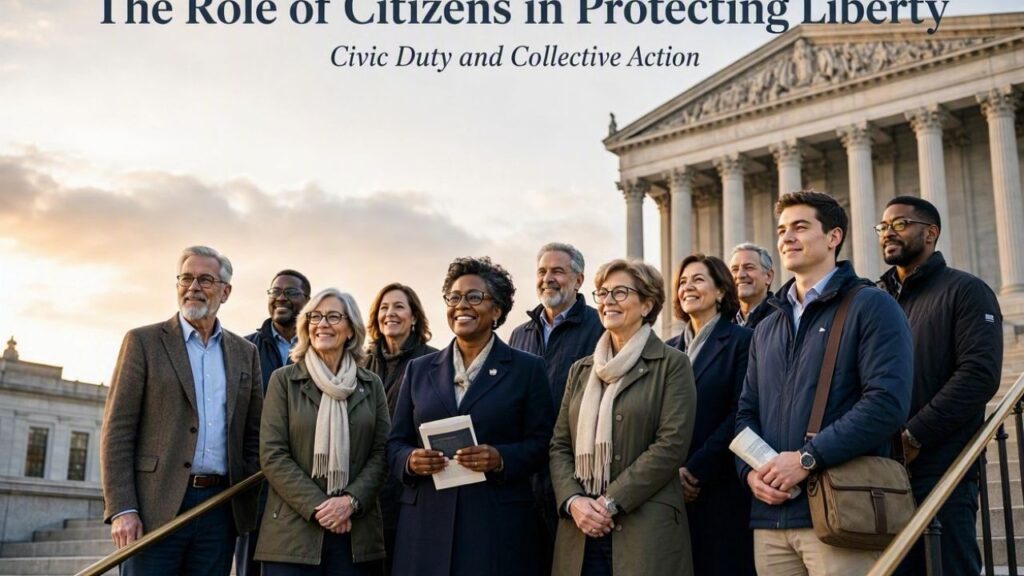
15. The Role of Citizens in Protecting Liberty
- Constitutional government depends on more than elected officials.
- Citizens also have responsibilities within a free society.
- Civic responsibility can include learning about public institutions.
- It can include voting and participating peacefully in public life.
- Citizens can also respect the rights of people with different opinions.
- Political disagreement does not automatically require hostility.
- A healthy constitutional culture allows disagreement while maintaining peaceful procedures.
- Citizens can support liberty by understanding both their own rights and the rights of others.
- This helps answer what does secure the blessings of liberty mean from a civic perspective.
- Liberty survives more effectively when citizens value lawful participation.
16. Why Respecting Other People’s Rights Matters
- Liberty is not meaningful if people demand freedom only for themselves.
- A constitutional society contains millions of people with different beliefs and priorities.
- Those differences make mutual respect especially important.
- One person’s rights can sometimes conflict with another person’s interests.
- Laws and courts help establish rules for handling those conflicts.
- Citizens also contribute through tolerance and peaceful disagreement.
- Respect for rights does not require agreement with every opinion.
- Instead, it recognizes that constitutional protections can apply even when an individual dislikes another person’s position.
- This principle is central to understanding what does secure the blessings of liberty mean.
- Liberty works best when rights are treated as principles rather than personal favors.
17. Government Has a Special Responsibility
- Government creates and enforces laws that shape public life.
- Because government possesses legal authority, its actions can have significant effects on individual liberty.
- Constitutional limits are designed to help keep that authority within defined boundaries.
- Officials must therefore operate according to law.
- Courts can review disputes involving governmental action.
- Legislatures can revise policies through lawful processes.
- Elections allow citizens to influence political leadership.
- These mechanisms provide different ways of maintaining accountability.
- What does secure the blessings of liberty mean can therefore include the idea of accountable government.
- Government exists to serve constitutional purposes, not simply to exercise power.
18. Liberty Requires More Than Government Protection
- Government plays a major role, but citizens also influence the health of a free society.
- Communities can strengthen liberty through education and constructive civic engagement.
- Schools can teach constitutional principles.
- Families can discuss the importance of responsibility and respectful disagreement.
- Community organizations can encourage lawful participation.
- Individuals can become informed about public issues.
- These activities help maintain a culture in which liberty is valued.
- What does secure the blessings of liberty mean therefore has both governmental and civic dimensions.
- Protecting freedom is not a task completed once.
- Each generation inherits institutions and choices from those before it.
19. The Meaning for Students
- Students often encounter the Preamble in history or civics classes.
- The formal language can initially seem confusing.
- A simple explanation is that the Constitution aims to protect freedom for current and future Americans.
- Students can break the phrase into smaller ideas.
- “Secure” means protect.
- “Blessings” means valuable benefits.
- “Liberty” means protected freedom.
- “Posterity” means future generations.
- Together, these words express a long-term constitutional goal.
- What does secure the blessings of liberty mean for students can therefore be summarized as protecting freedom now and preserving it for people who will live in the future.
- This interpretation also helps students understand why the Preamble matters.
20. A Simple Student-Friendly Example
- Imagine a school where students are allowed to express different opinions respectfully.
- The school creates rules protecting students from unfair treatment.
- Teachers apply those rules consistently.
- Students can raise concerns through established procedures.
- Younger students will receive the same protections later.
- This example is not identical to constitutional government.
- However, it illustrates the basic idea of protecting freedom through rules and institutions.
- What does secure the blessings of liberty mean can be understood similarly on a much larger national scale.
- The goal is not merely to announce freedom.
- The goal is to establish conditions that help preserve it.
21. Liberty Is Not the Same as Unlimited Choice
- A common misunderstanding is that liberty means having no rules.
- Constitutional liberty does not require complete absence of regulation.
- Every organized society has laws.
- Some laws protect people from harm, establish procedures, or organize public responsibilities.
- The important constitutional question often concerns whether government power remains within lawful boundaries.
- Rights can also involve competing interests.
- Courts and legislatures help address those difficult questions.
- Therefore, what does secure the blessings of liberty mean should not be interpreted as “everyone can do absolutely anything.”
- Instead, it describes protected freedom within a constitutional order.
22. The Importance of Peaceful Government Transitions
- A free society needs mechanisms for transferring political power peacefully.
- Elections provide one important mechanism.
- When leadership changes according to established rules, political disagreement can remain within constitutional processes.
- Peaceful transitions help reduce instability.
- They also reinforce the idea that government authority comes from law rather than personal control.
- Democratic institutions can therefore contribute to the protection of liberty.
- Citizens can disagree strongly while still recognizing legitimate procedures.
- This is another practical dimension of what does secure the blessings of liberty mean.
- Preserving liberty includes preserving the systems that allow peaceful political change.
23. Education Helps Preserve Constitutional Liberty
- Knowledge can make constitutional rights easier to understand and defend.
- Citizens who know how government works are better positioned to participate.
- Civic education can explain elections, courts, legislation, rights, and governmental powers.
- It can also teach the difference between constitutional rights and ordinary political preferences.
- Understanding history helps citizens recognize how institutions developed.
- Constitutional literacy can therefore support responsible civic participation.
- This educational role connects directly with the phrase’s reference to future generations.
- Each generation must learn how its institutions work.
- In that sense, what does secure the blessings of liberty mean includes preserving knowledge as well as institutions.
24. The Connection Between Liberty and Responsibility
- Rights and responsibilities often exist together in a functioning society.
- A person may have freedom of expression while also being expected to follow applicable laws.
- Citizens may participate in politics while respecting peaceful procedures.
- People can exercise religious freedom while recognizing that others have different beliefs.
- These relationships create a balance between individual liberty and social order.
- Civic responsibility helps make that balance workable.
- Liberty becomes difficult to sustain when people reject every responsibility connected to shared public life.
- Thus, what does secure the blessings of liberty mean also involves responsible use of freedom.
- The phrase is about preservation, not careless exercise.
25. Ten Questions to Ask When Evaluating Liberty
- Are individual rights protected by law?
- Can people challenge government decisions?
- Are laws applied through established procedures?
- Can citizens participate in elections?
- Can people express political opinions peacefully?
- Can different religious beliefs exist without government favoritism?
- Can courts resolve legal disputes?
- Are governmental powers limited?
- Can political leadership change peacefully?
- Are constitutional protections being preserved for future generations?
- These questions provide a practical framework for thinking about what does secure the blessings of liberty mean.
- They move the discussion from abstract language to measurable civic principles.
- They also encourage people to examine institutions rather than relying only on slogans.
26. Why the Phrase Still Matters Today
- The Constitution remains the foundation of the U.S. federal government.
- Modern Americans continue to debate the meaning and limits of constitutional rights.
- Questions about speech, privacy, religion, voting, government authority, and equality often involve competing interpretations of liberty.
- Technology has also created new challenges for privacy and communication.
- Social media allows ideas to spread rapidly.
- Digital platforms have changed how citizens participate in public discussions.
- These changes make constitutional principles relevant in new circumstances.
- What does secure the blessings of liberty mean remains useful because the underlying question has not disappeared.
- Society must still consider how freedom can be protected while government addresses legitimate public needs.
27. Seven Modern Situations Where Liberty Matters
- Online expression: People communicate opinions through digital platforms.
- Religious practice: Individuals maintain beliefs and participate in religious communities.
- Voting: Citizens participate in selecting public officials.
- Public protest: Groups peacefully express concerns about government policies.
- Journalism: News organizations investigate public officials and institutions.
- Legal challenges: Individuals use courts to contest government actions.
- Civic organizing: Communities work together around public issues.
- These situations demonstrate that constitutional liberty is not merely historical.
- They also show why what does secure the blessings of liberty mean remains an active civic question.
- The technology and social conditions may change, but debates about freedom continue.
28. The Importance of Constitutional Amendments
- The Constitution has changed through the amendment process.
- Amendments allow the constitutional system to respond to major developments.
- Several amendments have expanded voting rights and addressed questions of citizenship and equality.
- The amendment process also demonstrates that constitutional government can evolve through established procedures.
- Change does not always require abandoning the constitutional framework.
- Instead, amendments can modify that framework through a formal process.
- This supports the idea of preserving liberty while allowing lawful constitutional development.
- What does secure the blessings of liberty mean therefore does not necessarily mean preserving every historical practice unchanged.
- It means maintaining constitutional liberty through lawful institutions and processes.
29. Why Future Generations Are Central to the Idea
- Every generation receives institutions created by earlier generations.
- Those institutions can be strengthened, weakened, expanded, or neglected.
- The word “posterity” reminds citizens that constitutional decisions have long-term consequences.
- Policies that seem beneficial today can create future problems.
- Likewise, reforms that protect rights can influence people for decades.
- The phrase encourages a long-term perspective.
- Future citizens cannot participate in today’s decisions, yet they may live with their consequences.
- That is why preserving constitutional principles can be viewed as a generational responsibility.
- This is a deeper answer to what does secure the blessings of liberty mean.
- Liberty is treated as an inheritance that should not be casually damaged.
30. How Liberty Can Be Weakened
- Liberty can become weaker when constitutional limits are ignored.
- It can also suffer when citizens stop participating in public life.
- Political violence can undermine peaceful democratic processes.
- Corruption can weaken public trust.
- Discrimination can deny meaningful equality.
- Government overreach can threaten protected rights.
- Misinformation can make informed civic participation more difficult.
- Extreme political polarization can make compromise harder.
- These problems demonstrate why liberty requires ongoing attention.
- What does secure the blessings of liberty mean is therefore partly a question about preventing conditions that undermine freedom.
- Preservation requires both institutions and responsible civic behavior.
31. The Role of Courts in Protecting Rights
- Courts provide a forum for resolving legal disputes.
- They interpret statutes and constitutional provisions.
- Judicial decisions can affect how constitutional rights apply in particular circumstances.
- Courts can also review certain government actions.
- This judicial function contributes to the broader constitutional system.
- It does not mean courts are the only protectors of liberty.
- Congress, executive officials, states, citizens, and civil institutions also have important roles.
- What does secure the blessings of liberty mean is therefore best understood as a shared constitutional objective.
- Different institutions contribute in different ways.
32. The Role of Congress
- Congress creates federal laws under powers granted by the Constitution.
- Legislators represent constituents through an elected process.
- Congressional debates can address competing public interests.
- Lawmaking can affect individual rights, public safety, economic activity, and government responsibilities.
- Congress also has oversight responsibilities involving the executive branch.
- These powers form part of the constitutional balance.
- Lawmakers therefore have an important role in protecting constitutional principles.
- What does secure the blessings of liberty mean for Congress includes exercising legislative power responsibly.
- Constitutional authority is not unlimited authority.
33. The Role of the Executive Branch
- The executive branch carries out federal laws.
- Executive officials manage numerous government responsibilities.
- Because executive decisions can affect citizens directly, constitutional and statutory limits matter.
- Administrative agencies also operate under legal authority.
- Courts and Congress can provide forms of oversight.
- Elections create another important source of political accountability.
- These mechanisms help keep executive power within the broader constitutional structure.
- This provides another practical interpretation of what does secure the blessings of liberty mean.
- Government power should serve lawful purposes while respecting constitutional boundaries.
34. Federalism and Liberty
- The United States uses a federal system.
- Authority is divided between the national government and state governments.
- This division creates multiple levels of government.
- Federalism can allow states to address local matters while the national government handles responsibilities assigned to it.
- It also creates another distribution of political power.
- Citizens interact with local, state, and federal institutions.
- Different levels of government can therefore influence public policy in different ways.
- What does secure the blessings of liberty mean can include understanding this distribution of power.
- Liberty exists within a complex governmental structure rather than under one authority alone.
35. Why Constitutional Limits Are Important
- Government needs enough authority to perform legitimate functions.
- At the same time, government authority can affect personal liberty.
- Constitutional limits address this tension.
- They establish boundaries around governmental power.
- The separation of powers creates institutional limits.
- Individual rights create additional constitutional protections.
- Elections provide political accountability.
- Courts provide legal review.
- These features work together rather than functioning as isolated ideas.
- What does secure the blessings of liberty mean therefore includes maintaining a balance between effective government and protected freedom.
- Too little government capacity can create instability.
- Too much unchecked power can threaten liberty.
36. Liberty and the General Welfare
- The Preamble also speaks of promoting the general welfare.
- This shows that constitutional purposes include both individual liberty and broader public interests.
- A society needs public institutions that address shared concerns.
- At the same time, those institutions operate within constitutional limits.
- The relationship can create difficult policy questions.
- For example, public safety measures may affect individual choices.
- Constitutional government requires careful consideration of competing interests.
- What does secure the blessings of liberty mean therefore cannot be separated completely from the other purposes of the Preamble.
- Liberty exists within a broader constitutional system designed to serve the people.
37. Liberty and Domestic Tranquility
- Domestic tranquility refers broadly to peace and stability within the country.
- Peaceful public life creates conditions in which people can exercise their rights.
- Violence and disorder can interfere with individual liberty.
- At the same time, government efforts to maintain order must respect constitutional protections.
- This creates an important balance.
- Security should not automatically eliminate freedom.
- Freedom should not require society to abandon legitimate public order.
- What does secure the blessings of liberty mean therefore includes the challenge of maintaining both liberty and peaceful civic life.
- The constitutional framework attempts to address these competing concerns through law.
38. Liberty and the First Amendment
- The First Amendment is especially important when discussing American liberty.
- It protects several freedoms related to religion, speech, press, assembly, and petition.
- These freedoms support public debate.
- They also allow citizens to criticize government policies.
- Political participation becomes more meaningful when people can communicate ideas.
- However, constitutional rights can involve legal boundaries and complex questions.
- Courts have developed extensive case law around these freedoms.
- The First Amendment therefore provides a concrete example of constitutional liberty.
- It helps explain what does secure the blessings of liberty mean through specific protections.
- The broader phrase in the Preamble is connected to many detailed constitutional provisions.
39. Liberty and Religious Freedom
- Religious liberty protects important aspects of personal belief and religious practice.
- The Constitution addresses religion through the First Amendment.
- Religious freedom allows people with different beliefs to live within the same constitutional system.
- This principle is particularly important in a diverse society.
- Government cannot simply treat personal belief as irrelevant.
- At the same time, religious liberty exists within a legal framework.
- The constitutional approach seeks to protect religious exercise while maintaining government authority within its lawful boundaries.
- This is one example of what does secure the blessings of liberty mean in everyday constitutional life.
- Freedom of belief is one important part of a broader liberty framework.
40. Liberty and Freedom of Speech
- Freedom of speech allows individuals to communicate ideas and opinions under constitutional protection.
- Political speech is especially important in a democratic system.
- Citizens need ways to criticize leaders and advocate for change.
- Public debate can be uncomfortable.
- However, disagreement is a normal part of constitutional government.
- The legal meaning of speech protections involves complex rules and court decisions.
- Therefore, the principle should not be reduced to the idea that every form of communication is legally protected in every situation.
- What does secure the blessings of liberty mean requires understanding rights within their constitutional context.
- Protected expression contributes to an informed public.
41. Liberty and Peaceful Assembly
- Peaceful assembly allows people to gather around shared concerns.
- Demonstrations, meetings, and community events can provide avenues for civic participation.
- Assembly can amplify individual voices by bringing people together.
- The ability to organize peacefully is important in a representative government.
- Like other rights, assembly operates within legal boundaries.
- Public authorities may regulate certain practical aspects of public spaces under applicable law.
- The larger principle remains important.
- What does secure the blessings of liberty mean includes protecting opportunities for people to participate collectively.
- Civic participation is stronger when citizens can organize lawfully.
42. Liberty and the Right to Petition
- Petitioning allows citizens to communicate concerns to government.
- It provides a formal expression of public opinion.
- People may petition about laws, policies, community problems, or government actions.
- This right connects individual concerns with public institutions.
- It also reinforces the idea that government is accountable to the people.
- Petitioning can occur through organized campaigns or individual communications.
- The principle is another practical example of constitutional participation.
- What does secure the blessings of liberty mean therefore includes having lawful channels through which citizens can address their government.
- These channels help reduce the need for political disputes to become violent.
43. The Phrase Is About Preservation
- One of the most important ideas in the phrase is preservation.
- Liberty is not treated as something that automatically protects itself.
- Institutions must continue functioning.
- Laws must be respected.
- Citizens must remain engaged.
- Government officials must operate within constitutional boundaries.
- Courts must remain capable of resolving legal disputes.
- Elections must function through established procedures.
- These factors collectively help maintain freedom.
- What does secure the blessings of liberty mean can therefore be summarized with one powerful concept: preservation.
- Freedom must be protected across time.
44. Five Common Misunderstandings
- Misunderstanding 1: Liberty means having no laws.
- In reality, constitutional liberty exists within a legal system.
- Misunderstanding 2: The phrase refers only to one generation.
- The reference to posterity clearly points toward future generations.
- Misunderstanding 3: Government alone protects liberty.
- Citizens and institutions also have important roles.
- Misunderstanding 4: The phrase guarantees unlimited freedom.
- Constitutional rights operate within a broader legal framework.
- Misunderstanding 5: The phrase is only historical.
- Its principles continue to influence modern constitutional discussions.
- Understanding these misconceptions makes what does secure the blessings of liberty mean much easier to explain.
- The phrase is broad, but its basic message is practical.
45. Five Ways Citizens Can Support Liberty
- Learn the basic structure of government.
- Understand important constitutional rights.
- Participate peacefully in civic life.
- Respect the legal rights of other people.
- Encourage future generations to understand constitutional principles.
- These actions do not require citizens to agree politically.
- Instead, they support the processes through which disagreement can remain peaceful.
- Civic participation also makes government more accountable.
- What does secure the blessings of liberty mean from the citizen’s perspective includes helping maintain a culture that values freedom.
- Liberty is stronger when citizens understand its importance.
46. Why Future Generations Need Constitutional Knowledge
- Rights can be difficult to preserve if people do not understand them.
- Future citizens will face circumstances that earlier generations could not predict.
- Technology, economics, communication, and social conditions will continue to change.
- Constitutional principles may therefore be applied to new situations.
- Educating future generations gives them tools for understanding these challenges.
- The word “posterity” makes education especially relevant.
- It suggests that constitutional freedom should be treated as an inheritance.
- What does secure the blessings of liberty mean includes preparing future citizens to understand and preserve that inheritance.
- Knowledge can become one of the strongest protections for constitutional government.
47. A Quick Word-by-Word Breakdown
- Secure: Protect, preserve, or make safe.
- The: Refers to the particular benefits of liberty.
- Blessings: Valuable benefits or advantages.
- Of: Connects those benefits to liberty.
- Liberty: Protected freedom within the constitutional system.
- To: Indicates the intended recipients.
- Ourselves: People of the present generation.
- And: Connects present and future generations.
- Our: Establishes a shared relationship.
- Posterity: Future generations and descendants.
- This breakdown makes what does secure the blessings of liberty mean easier to remember.
- The complete idea is about protecting valuable freedoms for people now and later.
48. A Powerful One-Sentence Definition
- A concise definition is: The phrase means protecting the rights and freedoms of people today while preserving those freedoms for future generations.
- This definition captures the central idea without requiring complicated constitutional vocabulary.
- It also explains why the phrase includes the word “posterity.”
- Liberty is presented as something worth protecting across generations.
- Government institutions provide part of that protection.
- Citizens contribute through responsible participation.
- Laws and courts create important structures.
- Constitutional amendments allow lawful development.
- What does secure the blessings of liberty mean can therefore be remembered as a commitment to freedom, protection, responsibility, and continuity.
49. How the Phrase Connects to American Identity
- The Preamble is one of the most recognizable parts of the Constitution.
- Its language expresses broad ideals associated with American government.
- Liberty is one of those central ideals.
- However, constitutional ideals also create standards against which government and society can be evaluated.
- The historical United States did not always provide equal liberty to every person.
- Constitutional development has involved continuing debates over citizenship, equality, rights, and representation.
- Recognizing that history creates a more complete understanding.
- What does secure the blessings of liberty mean should therefore be studied as both an ideal and an evolving constitutional commitment.
- The phrase expresses an aspiration whose meaning has continued to develop.
50. Liberty as an Ongoing Responsibility
- Liberty is not simply a historical achievement.
- It is an ongoing constitutional responsibility.
- Government officials must respect constitutional limits.
- Citizens must participate peacefully.
- Courts must remain capable of addressing legal disputes.
- Institutions must function according to law.
- Future generations must understand the principles they inherit.
- These responsibilities reinforce one another.
- What does secure the blessings of liberty mean ultimately points toward this continuing process.
- The phrase asks each generation to protect something valuable rather than assuming freedom will survive automatically.
51. The Relationship Between Liberty and Democracy
- Democracy gives citizens a role in choosing political leadership.
- Liberty provides important freedoms that make meaningful participation possible.
- People need opportunities to express opinions and discuss public issues.
- Elections become more meaningful when citizens can participate in public debate.
- At the same time, democracy and liberty are not identical concepts.
- Democratic majorities still operate within constitutional limits.
- Constitutional rights can protect individuals and minorities from certain forms of governmental abuse.
- What does secure the blessings of liberty mean therefore includes a relationship between democratic participation and constitutional protection.
- Both ideas contribute to a functioning republic.
52. Why Minority Rights Matter
- A constitutional system must protect more than majority preferences.
- Individual rights can place limits on what government may do.
- This matters because political majorities can change.
- Constitutional protections provide stability even when political opinions shift.
- Minority groups therefore have important protections within the broader legal system.
- This principle is closely connected with liberty.
- Freedom becomes more meaningful when rights do not depend entirely on popularity.
- What does secure the blessings of liberty mean can therefore include protecting individual rights even during periods of political disagreement.
- Constitutional government is designed to balance majority rule with individual protections.
53. Liberty and Due Process
- Due process is another important constitutional concept.
- It generally concerns fair legal procedures and protections against arbitrary government action.
- People affected by government decisions may have legal rights and procedures depending on the circumstances.
- Due process helps reinforce the idea that government should act according to law.
- It therefore supports broader principles of constitutional liberty.
- Rights become more meaningful when people have mechanisms for asserting them.
- This illustrates how liberty depends on institutions as well as ideals.
- What does secure the blessings of liberty mean includes creating legal structures through which rights can be protected.
- Fair procedures can make constitutional protections more practical.
54. Liberty and Equal Citizenship
- The idea of liberty is closely related to citizenship.
- Citizens participate in the political community and receive constitutional protections.
- Constitutional history has involved major changes concerning who receives citizenship and how rights are protected.
- Amendments have played an important role in those developments.
- The modern understanding of constitutional liberty is therefore shaped by more than the original text alone.
- It also reflects later constitutional changes and legal interpretations.
- This historical development adds depth to what does secure the blessings of liberty mean.
- Liberty is a continuing constitutional principle rather than a concept frozen in one historical moment.
55. Ten Practical Civic Habits
- Read reliable information about public issues.
- Learn how federal and state governments differ.
- Understand basic constitutional rights.
- Vote when eligible.
- Participate peacefully in community discussions.
- Listen to people with different viewpoints.
- Verify important claims before sharing them.
- Use lawful channels to raise concerns.
- Encourage young people to learn civics.
- Support peaceful constitutional processes.
- These habits can strengthen the environment in which liberty operates.
- What does secure the blessings of liberty mean is not only a question for lawyers or historians.
- It can influence ordinary civic behavior.
56. How Parents and Teachers Can Explain the Phrase
- Start with the word “secure.”
- Explain that it means protect.
- Then explain liberty as protected freedom.
- Introduce “posterity” as future generations.
- Use examples involving speech, participation, belief, and lawful choice.
- Explain that rights exist within a legal system.
- Connect the phrase to the Preamble.
- Encourage students to consider why future generations matter.
- This approach makes what does secure the blessings of liberty mean easier for younger learners.
- Simple explanations can preserve the core idea without removing its constitutional importance.
57. A Helpful Comparison
| Concept | Simple Meaning | Connection to Liberty |
| Secure | Protect and preserve | Keeps freedom from being easily lost |
| Liberty | Protected freedom | Provides space for personal and civic choice |
| Justice | Fairness under law | Helps protect rights |
| Rule of law | Government operates under established law | Limits arbitrary power |
| Posterity | Future generations | Extends responsibility across time |
| Civic responsibility | Responsible participation | Helps maintain constitutional government |
This comparison shows why what does secure the blessings of liberty mean cannot be reduced to one isolated word.- Each concept contributes to the larger constitutional picture.
- Together, they describe a society where freedom is protected through law, institutions, and civic responsibility.
58. What the Phrase Does Not Mean
- It does not mean that every government action is automatically justified.
- It does not mean that liberty exists without legal limits.
- It does not mean that citizens can ignore the rights of others.
- It does not mean that constitutional government never changes.
- It does not mean that freedom requires complete absence of government.
- It does not mean that one political party owns the concept of liberty.
- It does not mean that future generations have no role in constitutional development.
- Instead, what does secure the blessings of liberty mean points toward a constitutional commitment to protecting freedom through lawful government.
- That distinction prevents oversimplification.
59. Why “Blessings” Is an Interesting Word
- The framers could have simply referred to freedom or rights.
- Instead, the Preamble uses the word “blessings.”
- The term emphasizes the value of liberty.
- It suggests that freedom provides meaningful benefits to human life.
- People can pursue personal goals, express beliefs, participate in public affairs, and develop their communities.
- The word therefore gives the phrase an appreciative tone.
- It reminds readers that liberty should not be taken for granted.
- What does secure the blessings of liberty mean includes recognizing freedom as something valuable enough to preserve.
- That idea helps explain why the phrase remains memorable.
60. Why the Preamble Still Gets Attention
- The Preamble is short compared with the full Constitution.
- Yet it introduces the purposes of the constitutional system.
- Its language is accessible enough to be taught in schools.
- Its concepts also raise difficult questions about government and society.
- Terms such as justice, welfare, union, defense, and liberty continue to shape civic discussions.
- The Preamble therefore works as both an introduction and a statement of purpose.
- What does secure the blessings of liberty mean is one of its most important questions because it addresses the preservation of freedom.
- That purpose remains relevant to every generation.
61. The Importance of Peaceful Disagreement
- Liberty allows citizens to hold different opinions.
- A constitutional society therefore needs ways to manage disagreement.
- Peaceful debate is healthier than political violence.
- Elections provide one mechanism for resolving political differences.
- Courts provide legal mechanisms for disputes.
- Legislatures provide another route for changing policy.
- Public discussion allows citizens to influence the political environment.
- These systems make disagreement manageable.
- What does secure the blessings of liberty mean includes preserving the peaceful institutions through which people can disagree.
- Liberty does not eliminate conflict.
- It provides lawful ways to handle it.
62. Why Accountability Protects Liberty
- Accountability means that officials can be questioned about their actions.
- Elections create one form of accountability.
- Legislative oversight creates another.
- Courts can address legal disputes.
- Journalism and public discussion can bring government actions to public attention.
- These mechanisms can discourage arbitrary uses of power.
- They also give citizens information about public decisions.
- What does secure the blessings of liberty mean therefore includes maintaining mechanisms that make government answerable.
- Power is safer when it operates under visible rules and meaningful review.
63. The Role of Public Trust
- Constitutional institutions work more effectively when citizens trust lawful processes.
- Trust does not require believing every government decision is correct.
- Instead, it can mean confidence that disagreements can be addressed through established procedures.
- When citizens believe elections, courts, and laws have no value, peaceful participation becomes harder.
- Public trust can therefore support constitutional stability.
- At the same time, healthy constitutional systems allow criticism.
- What does secure the blessings of liberty mean includes preserving institutions that citizens can use to challenge decisions peacefully.
- Trust and accountability can exist together.
64. Liberty in a Changing Society
- Society changes over time.
- New technologies create new questions about privacy, communication, and public participation.
- Economic conditions also influence how people experience opportunity.
- Cultural changes can create new debates about rights and responsibilities.
- Constitutional principles may therefore be applied to circumstances the original framers could not have imagined.
- This does not make the Constitution irrelevant.
- Instead, it creates continuing interpretive questions.
- What does secure the blessings of liberty mean can therefore have new applications while retaining its core idea of protecting freedom.
- Constitutional principles often matter most when circumstances change.
65. Ten Key Takeaways
- Liberty means protected freedom.
- Security means preservation and protection.
- The Preamble identifies securing liberty as a constitutional purpose.
- Posterity means future generations.
- Liberty depends on laws and institutions.
- Individual rights matter.
- Justice supports meaningful liberty.
- Citizens have civic responsibilities.
- Government power should operate within constitutional limits.
- Preserving freedom requires long-term thinking.
- These points provide a concise explanation of what does secure the blessings of liberty mean.
- The phrase is ultimately about protecting valuable freedoms across generations.
66. Why the Phrase Is More Than a Political Slogan
- Political language sometimes uses constitutional phrases as slogans.
- However, the Preamble places liberty within a detailed governmental framework.
- The Constitution establishes institutions, powers, limits, and procedures.
- The phrase should therefore be read as part of that larger document.
- Its meaning becomes richer when connected to rights, justice, law, elections, and institutional accountability.
- What does secure the blessings of liberty mean is consequently a constitutional question rather than merely a political catchphrase.
- Understanding the surrounding framework helps prevent misleading interpretations.
- It also encourages more thoughtful civic discussion.
67. The Long-Term Vision of Liberty
- The reference to posterity reveals a long-term vision.
- The framers were not only thinking about the immediate political situation.
- They were creating a framework intended to continue beyond their own generation.
- That does not mean every future question could be predicted.
- Instead, the constitutional structure was designed to provide principles and procedures that could endure.
- This long-term quality is central to the phrase.
- What does secure the blessings of liberty mean includes the responsibility to leave future citizens a functioning system of protected freedom.
- The idea therefore has a strong generational dimension.
68. How Citizens Can Think About Posterity
- Consider how current laws may affect future citizens.
- Protect institutions even when they produce outcomes you dislike.
- Encourage constitutional education.
- Avoid political violence.
- Support peaceful transfers of power.
- Respect lawful rights even when disagreement is intense.
- Teach younger generations why constitutional protections matter.
- These actions reflect the broader meaning of posterity.
- What does secure the blessings of liberty mean becomes more practical when citizens ask what kind of constitutional system they want to leave behind.
- Future generations inherit consequences, not just documents.
69. A Memorable Formula
- Secure = protect.
- Blessings = valuable benefits.
- Liberty = protected freedom.
- Ourselves = people today.
- Posterity = people tomorrow.
- Put together, the phrase means protecting the valuable benefits of freedom for present and future generations.
- This formula is especially useful for students.
- It also provides a quick answer for anyone searching what does secure the blessings of liberty mean.
- The vocabulary may sound old-fashioned, but the underlying idea is easy to understand.
70. How to Explain It in an Essay
- Begin by identifying the phrase as part of the Preamble.
- Explain that “secure” means protect or preserve.
- Define liberty as protected freedom.
- Explain that “posterity” means future generations.
- Connect the phrase to constitutional rights and institutions.
- Give one or two everyday examples.
- Explain the role of citizens.
- Finish by discussing why the principle remains relevant.
- A strong explanation of what does secure the blessings of liberty mean should focus on both present freedom and future preservation.
- Avoid treating the phrase as a promise of unlimited personal choice.
71. How to Explain It in One Paragraph
- A concise explanation could state that the phrase describes the Constitution’s purpose of protecting the valuable benefits of freedom for current citizens and future generations.
- It connects liberty with government institutions, constitutional rights, justice, and the rule of law.
- The phrase also suggests that freedom requires preservation.
- Citizens and government officials both have roles in maintaining a constitutional system.
- This short explanation captures what does secure the blessings of liberty mean without becoming overly technical.
- It also highlights why the phrase remains relevant in modern civic life.
72. The Connection to Civic Education
- Civic education helps citizens understand how constitutional government operates.
- Students learn about branches of government, elections, rights, and responsibilities.
- They can also study the historical development of constitutional protections.
- This knowledge supports informed participation.
- The concept of posterity makes education especially important.
- Future generations cannot protect principles they do not understand.
- What does secure the blessings of liberty mean therefore has an educational dimension.
- Teaching constitutional principles can help preserve them.
- Knowledge becomes part of the inheritance passed from one generation to another.
73. The Role of Individual Choice
- Liberty provides room for individuals to make meaningful choices.
- Those choices can involve speech, belief, association, work, family life, and civic participation.
- The precise legal protections vary depending on the activity.
- Still, personal autonomy remains an important part of the broader American understanding of liberty.
- Constitutional rights help establish boundaries around government interference.
- What does secure the blessings of liberty mean therefore includes protecting meaningful areas of individual decision-making.
- A free society gives people space to shape their lives within the law.
- That freedom can contribute to personal dignity and civic participation.
74. Liberty and Social Stability
- Freedom and social order are sometimes presented as opposites.
- In reality, constitutional systems attempt to support both.
- Laws can create predictable rules.
- Predictable rules can allow people to exercise rights without constant uncertainty.
- Peaceful institutions can help resolve disputes.
- At the same time, excessive or arbitrary restrictions can undermine liberty.
- The constitutional challenge is finding lawful balances.
- What does secure the blessings of liberty mean therefore involves protecting freedom while maintaining a stable legal order.
- Neither complete disorder nor unchecked government power provides a strong foundation for liberty.
75. Why the Phrase Has Emotional Power
- The phrase uses language that treats freedom as something valuable.
- The word “blessings” suggests appreciation.
- The word “secure” suggests responsibility.
- The word “posterity” introduces a sense of continuity.
- Together, the words create a message about protecting something precious.
- This emotional dimension helps explain why the phrase remains memorable.
- It is not merely a technical description of government.
- What does secure the blessings of liberty mean also asks citizens to consider the value of freedom itself.
- That makes the phrase relevant beyond classrooms and legal discussions.
76. What Liberty Looks Like in Practice
- People can express lawful opinions.
- Citizens can participate in elections.
- Individuals can practice their beliefs.
- Communities can organize peacefully.
- People can seek legal remedies.
- Journalists can report on public affairs.
- Citizens can petition government.
- These examples show that liberty is experienced through real activities.
- What does secure the blessings of liberty mean becomes clearer when freedom is viewed through these everyday experiences.
- Constitutional principles matter because they influence how people interact with government and society.
77. Why Institutions Matter
- Good intentions alone cannot guarantee liberty.
- Institutions provide procedures and limits.
- Courts can resolve disputes.
- Legislatures can create laws.
- Elections can change leadership.
- Constitutional rules can restrict government authority.
- Administrative systems can implement laws.
- These structures make constitutional principles more practical.
- What does secure the blessings of liberty mean therefore includes maintaining institutions capable of protecting rights.
- A constitutional promise becomes more meaningful when people have functioning mechanisms for enforcing it.
78. Liberty and the Responsibility of Future Leaders
- Future leaders will inherit constitutional institutions.
- Their decisions can strengthen or weaken public trust.
- They will face new challenges that cannot always be predicted.
- Constitutional knowledge can help them respond within established principles.
- Leaders must understand that governmental power comes with limits.
- Citizens also have a role in holding leaders accountable.
- What does secure the blessings of liberty mean for future leaders includes using authority responsibly.
- Leadership should preserve the conditions under which citizens can exercise lawful freedom.
79. Why Historical Context Prevents Misinterpretation
- Reading the phrase without context can produce overly broad interpretations.
- The Preamble was written as part of a larger constitutional document.
- Its purposes must therefore be considered alongside the Constitution’s structure and provisions.
- Historical context also helps explain why the framers focused on government organization and stability.
- Later amendments and legal developments add additional context.
- What does secure the blessings of liberty mean cannot be fully understood from the phrase alone.
- Studying the surrounding constitutional framework produces a more accurate interpretation.
- Context turns a memorable sentence into a meaningful constitutional principle.
80. Five Reasons the Phrase Remains Relevant
- Freedom remains an important civic value.
- Government power still affects individual rights.
- Future generations still depend on current institutions.
- Citizens still need peaceful ways to participate.
- Constitutional debates continue to shape public life.
- These reasons explain why people continue searching what does secure the blessings of liberty mean.
- The phrase addresses questions that every constitutional society must consider.
- How should freedom be protected?
- Who has responsibility for preserving it?
- What should one generation leave to the next?
81. A Practical Liberty Checklist
- Know your basic constitutional rights.
- Learn how government powers are divided.
- Understand the importance of elections.
- Use peaceful civic channels.
- Respect lawful rights belonging to others.
- Verify information before sharing it.
- Learn from reliable historical sources.
- Encourage constitutional education.
- Think about long-term consequences.
- Protect peaceful democratic processes.
- This checklist turns what does secure the blessings of liberty mean into practical civic habits.
- It emphasizes preservation through knowledge and responsible participation.
82. What “Posterity” Adds to the Meaning
- Without the word “posterity,” the phrase could focus mainly on present citizens.
- Posterity changes the time horizon.
- It asks people to consider citizens who do not yet exist.
- Future generations will inherit both constitutional institutions and social conditions.
- Their ability to enjoy liberty can depend partly on decisions made today.
- This creates a powerful concept of generational stewardship.
- What does secure the blessings of liberty mean therefore includes thinking beyond immediate political victories.
- Constitutional freedom should be preserved for people who cannot yet speak for themselves.
83. Liberty as an Inheritance
- People often think of inheritance as money or property.
- Constitutional liberty can also be viewed as an inherited public institution.
- Each generation receives rights, laws, traditions, and institutions shaped by earlier generations.
- It can then strengthen, reform, or weaken them.
- The reference to posterity encourages citizens to think of liberty as something that should be responsibly passed forward.
- What does secure the blessings of liberty mean therefore has a strong inheritance metaphor.
- Freedom is something to protect, use responsibly, and preserve.
84. The Balance Between Change and Continuity
- A constitutional system must allow change.
- Society evolves, and new problems arise.
- Yet constitutional government also needs continuity.
- If institutions change unpredictably, rights can become unstable.
- The amendment process provides one formal method of constitutional change.
- Judicial interpretation provides another mechanism through which constitutional provisions are applied to new circumstances.
- This balance helps preserve both adaptability and stability.
- What does secure the blessings of liberty mean includes protecting liberty while allowing lawful constitutional development.
- Preservation does not necessarily mean refusing all change.
85. Why Responsible Debate Matters
- Constitutional questions can involve competing interpretations.
- People may disagree about the meaning of particular rights or government powers.
- Responsible debate requires evidence and respect for lawful processes.
- Citizens can disagree without treating opponents as enemies.
- Public discussion becomes more productive when participants understand historical and legal context.
- What does secure the blessings of liberty mean should therefore be explored through careful reasoning rather than slogans alone.
- Constitutional literacy can improve the quality of public debate.
- Strong disagreement and constitutional respect can exist together.
86. The Phrase and the American Experiment
- The United States is often described as a constitutional experiment.
- The country created institutions intended to combine popular government with constitutional limits.
- The system has changed through amendments, legislation, judicial decisions, elections, and social movements.
- This history shows that constitutional development is ongoing.
- Liberty remains one of the principles against which changes can be evaluated.
- What does secure the blessings of liberty mean therefore connects to the continuing American effort to preserve freedom through government.
- The experiment continues across generations.
87. Liberty Requires Vigilance
- Vigilance does not mean constant fear.
- It means paying attention to institutions and rights.
- Citizens who understand constitutional principles can recognize when important questions arise.
- They can then use peaceful and lawful channels to respond.
- Government officials also need to respect constitutional boundaries.
- Courts, legislatures, and elections provide mechanisms for accountability.
- What does secure the blessings of liberty mean includes this continuing attention.
- Freedom can be weakened gradually when citizens stop caring about how institutions function.
- Preservation therefore requires awareness.
88. Five Things to Remember for an Exam
- The phrase comes from the Preamble.
- “Secure” means protect or preserve.
- “Liberty” refers to protected freedom.
- “Posterity” means future generations.
- The overall idea is protecting freedom for present and future Americans.
- These five points provide a strong foundation for answering what does secure the blessings of liberty mean on a civics or history test.
- Students can then add examples involving rights, government institutions, and civic responsibility.
- A clear answer does not require complicated vocabulary.
89. A Strong Answer for Students
- A student could explain that the phrase means the Constitution is intended to protect the valuable freedoms of people living in the United States and preserve those freedoms for future generations.
- The word “secure” means protect.
- “Blessings” refers to the benefits of liberty.
- “Posterity” means future generations.
- The idea connects freedom with constitutional government and responsibility.
- This explanation directly answers what does secure the blessings of liberty mean.
- It also demonstrates an understanding of why the phrase appears in the Preamble.
90. A Strong Answer for General Readers
- For a general reader, the simplest explanation is that the phrase means protecting the benefits of freedom so people can enjoy them today and future generations can enjoy them tomorrow.
- The Constitution supports this goal through rights, governmental limits, institutional checks, and legal procedures.
- Citizens also contribute by participating peacefully and respecting the rights of others.
- What does secure the blessings of liberty mean is therefore fundamentally a question about preserving freedom across time.
- Its meaning is both constitutional and civic.
91. Why Liberty Cannot Be Taken for Granted
- Rights can be protected by laws, but institutions still require participation.
- Governments depend on officials who understand constitutional limits.
- Citizens need enough civic knowledge to hold institutions accountable.
- Courts need functioning legal procedures.
- Elections need established rules.
- Communities need peaceful ways to resolve disagreements.
- These conditions cannot simply be assumed forever.
- What does secure the blessings of liberty mean therefore carries an implicit warning.
- Freedom requires preservation through functioning institutions and responsible citizenship.
92. Liberty and the Next Generation
- Children and young people will eventually become voters, leaders, workers, parents, educators, and community members.
- Their understanding of constitutional freedom can influence future public life.
- Teaching them about rights and responsibilities is therefore important.
- The reference to posterity makes this responsibility especially meaningful.
- What does secure the blessings of liberty mean includes preparing future citizens to understand the freedoms they inherit.
- A society preserves liberty more effectively when each generation teaches the next.
- Constitutional knowledge can become part of a lasting civic tradition.
93. Ten Values Connected With the Phrase
- Freedom
- Justice
- Responsibility
- Equality
- Peace
- Citizenship
- Accountability
- Rule of law
- Civic participation
- Future generations
- These values help create a broader picture of what does secure the blessings of liberty mean.
- The phrase is not isolated from the rest of constitutional government.
- Instead, it connects with many principles that support a functioning free society.
- Understanding those relationships creates a deeper interpretation.
94. How to Avoid a Narrow Interpretation
- Do not interpret liberty as only freedom of speech.
- Do not interpret security as only military defense.
- Do not treat posterity as a vague reference to descendants.
- Do not ignore the role of courts and laws.
- Do not assume citizens have no responsibilities.
- Do not separate the phrase entirely from the rest of the Preamble.
- A broader approach produces a more accurate explanation.
- What does secure the blessings of liberty mean is best understood as a comprehensive constitutional purpose.
- It concerns protected freedom within an organized system of government.
95. The Phrase in Everyday Language
- Imagine saying, “We want to make sure people can enjoy freedom now and that their children and grandchildren can enjoy it too.”
- That sentence captures the basic meaning.
- The constitutional version uses formal eighteenth-century language.
- However, the underlying idea remains understandable.
- “Secure” becomes “protect.”
- “Blessings” becomes “valuable benefits.”
- “Posterity” becomes “future generations.”
- What does secure the blessings of liberty mean can therefore be translated into modern language without losing its central idea.
- The message is about protecting freedom across time.
96. Why the Phrase Encourages Long-Term Thinking
- Political decisions often focus on immediate results.
- The word “posterity” encourages a broader view.
- Citizens can ask whether current decisions strengthen institutions for the future.
- Leaders can consider whether policies respect constitutional principles.
- Educators can prepare younger generations to participate responsibly.
- These actions reflect long-term constitutional thinking.
- What does secure the blessings of liberty mean is therefore partly about stewardship.
- Each generation receives a constitutional inheritance and influences what the next generation receives.
- That creates a continuing responsibility.
97. The Core Message in Seven Words
- Protect freedom for present and future generations.
- This short sentence captures the essential idea.
- It includes protection, liberty, time, and responsibility.
- It also explains why the phrase remains important.
- Government institutions help secure freedom.
- Citizens help preserve it.
- Future generations are part of the intended beneficiaries.
- What does secure the blessings of liberty mean can therefore be remembered through this simple principle.
- Freedom is not merely enjoyed; it is also preserved.
98. Final Perspective on the Constitutional Idea
- The Preamble does not provide a detailed list of every right.
- Instead, it identifies broad purposes of the constitutional system.
- Securing liberty is one of those purposes.
- The Constitution’s later provisions provide specific structures and protections.
- Amendments have added important constitutional guarantees.
- Courts have interpreted constitutional provisions over time.
- Citizens continue to debate how liberty should operate in changing circumstances.
- What does secure the blessings of liberty mean therefore has a stable core but can raise new questions in different eras.
- The central idea remains the protection of freedom through constitutional government.
99. A Simple Framework for Understanding the Phrase
- First: Identify the source—the Preamble.
- Second: Define “secure”—protect and preserve.
- Third: Define “liberty”—protected freedom.
- Fourth: Understand “blessings”—the valuable benefits associated with freedom.
- Fifth: Understand “posterity”—future generations.
- Sixth: Connect the phrase to constitutional institutions.
- Seventh: Consider the role of citizens in preserving freedom.
- Using this framework makes what does secure the blessings of liberty mean much easier to explain.
- It also provides a useful structure for school assignments, discussions, and general civic education.
100. Why the Idea Will Continue to Matter
- Every generation faces questions about freedom and government authority.
- Technology changes.
- Political institutions evolve.
- Social expectations shift.
- Yet people continue to ask how liberty can be protected.
- The constitutional phrase provides a framework for thinking about that challenge.
- It reminds citizens that freedom has value and that preserving it requires responsibility.
- It also reminds people that future generations matter.
- What does secure the blessings of liberty mean is therefore not simply a question about old constitutional language.
- It is a question about the kind of society people want to maintain and pass forward.
FAQs
What is a modern example of secure the blessings of liberty?
- A modern example is citizens peacefully participating in elections while using constitutional rights to express their political opinions.
- Another example is a person challenging government action through lawful legal procedures.
- These situations demonstrate how institutions and individual rights can work together to protect freedom.
- They show that what does secure the blessings of liberty mean can be applied to contemporary civic life.
- The key idea is not one specific activity.
- It is the continued protection of lawful freedom for people today and future generations.
What are examples of blessings of liberty?
- Examples include freedom of expression, religious liberty, peaceful assembly, political participation, legal protections, and opportunities for personal choice.
- The exact application of each right depends on constitutional provisions and applicable law.
- Together, these freedoms represent valuable benefits associated with constitutional liberty.
- When people ask what does secure the blessings of liberty mean, these examples help make the phrase more concrete.
- They demonstrate that liberty affects ordinary life rather than existing only as an abstract principle.
What does it mean to secure the blessings of liberty and our posterity?
- It means protecting the benefits of freedom for people living today and preserving those benefits for future generations.
- “Posterity” refers to people who will live in later generations.
- The phrase therefore encourages long-term thinking.
- Current citizens have an interest in maintaining constitutional institutions that future citizens can inherit.
- In simple terms, what does secure the blessings of liberty mean is about protecting freedom now without unnecessarily weakening it for tomorrow.
What are the three words of the Preamble?
- The opening words are “We the People.”
- They establish the idea that the people are the source of the Constitution’s authority.
- The Preamble then identifies several purposes for establishing the Constitution.
- One of those purposes is securing the blessings of liberty.
- Understanding “We the People” helps place what does secure the blessings of liberty mean within the broader constitutional statement of purpose.
What are some real-life examples of liberty?
- Real-life examples include expressing political opinions, practicing a religion, joining peaceful civic activities, participating in elections, petitioning government, and seeking legal remedies.
- These examples involve different constitutional protections and legal rules.
- They demonstrate how liberty can affect everyday decisions and public participation.
- The broader idea behind what does secure the blessings of liberty mean is that people should have meaningful protected freedoms within a constitutional system.
Does liberty mean freedom from all laws?
- No. Constitutional liberty does not generally mean that people are free from every law.
- A functioning society needs laws that establish public rules and procedures.
- The constitutional question is often whether laws and government actions respect applicable constitutional limits.
- This distinction is important when explaining what does secure the blessings of liberty mean.
- Liberty is protected freedom within a legal and constitutional order, not unlimited freedom from all restrictions.
Why is “posterity” important in the Preamble?
- “Posterity” means future generations.
- Its inclusion shows that the Constitution’s purposes extend beyond the people living when it was written.
- The phrase encourages each generation to think about the condition of liberty it leaves behind.
- That makes the Preamble a statement about both present and future citizens.
- It also deepens what does secure the blessings of liberty mean by adding a generational responsibility.
Why does the phrase still matter today?
- It still matters because questions about freedom, government authority, individual rights, justice, and civic responsibility remain relevant.
- Modern technology and social changes create new circumstances, but constitutional debates continue.
- The phrase provides a reminder that liberty must be protected over time.
- It also encourages citizens to consider future generations.
- Therefore, what does secure the blessings of liberty mean remains an important civic question today.
Conclusion
The phrase what does secure the blessings of liberty mean can be understood simply: it means protecting the valuable benefits of freedom for people today and preserving those freedoms for future generations. The words come from the Preamble to the U.S. Constitution, where they appear among the central purposes of establishing the constitutional government.
The phrase is powerful because it combines liberty with responsibility. Freedom is not presented as something that automatically survives. Instead, it must be supported by constitutional institutions, lawful government, individual rights, justice, civic participation, and respect for future generations.
Ultimately, what does secure the blessings of liberty mean is a question about preservation. Each generation inherits a constitutional system and influences what later generations will receive. Protecting liberty therefore requires more than knowing the words of the Preamble. It requires understanding rights, respecting lawful processes, participating peacefully, and recognizing that freedom remains valuable precisely because it must be protected.

welcome to blessnexa I am Muhammad inam an ai powered seo and content writer with 4 years of experienceI help website rank higher , grow traffic ,and look amazing ,my goal is to make SEO and web design simple andeffective for everyone .lets achieve more togather