
The phrase may Allah bless you meaning in Urdu is more than a simple translation. It expresses a heartfelt prayer that Allah gives someone goodness, protection, peace, mercy, and blessings. Muslims often use this phrase when thanking someone, appreciating their kindness, or making a sincere dua for their life.
In Urdu, the expression can be understood as “Allah aap ko barkat de”, “Allah aap par apni rehmat nazil farmaye,” or “Allah aap ko khush rakhe aur barkat ata farmaye.” The exact wording can change depending on the situation, relationship, and level of rmay Allah bless you meaning in Urdu
The Arabic language also offers several expressions that carry similar meanings. Some are direct duas, while others are common Islamic expressions used when showing gratitude or wishing goodness for anothermay Allah bless you meaning in Urdu
This guide explains the meaning in simple Urdu, English, and Roman Urdu. It also covers Arabic forms, pronunciation, replies, gender differences, family blessings, practical examples, and meaningful may Allah bless you meaning in Urdu
The Powerful Meaning of This Blessing in Urdu
The simplest may Allah bless you meaning in Urdu is:
اللہ آپ کو برکت دے۔
In Roman Urdu:
Allah aap ko barkat de.
In English:
May Allah bless you.
However, the meaning can be deeper than these few words. The speaker is essentially making a dua for Allah’s goodness to reach the pmay Allah bless you meaning in Urdu
- Allah refers to the One God worshipped inmay Allah bless you meaning in Urdu.
- Aap is a respectful Urdu way to address somay Allah bless you meaning in Urdu
- Barkat means blessing, increase in goodness, or beneficimay Allah bless you meaning in Urdu
- De means “give” in this may Allah bless you meaning in Urdu
- The complete expression therefore carries the sense of wishing divine blessing and goodness for someone.
The phrase does not necessarily mean financial prosperity may Allah bless you meaning in Urdu
It can include blessings in:
- Health
- Family life
- Faith
- Knowledge
- Time
- Wealth
- Work
- Relationships
- Peace of mind
- Protection
- Future opportunities
Therefore, saying this phrase can be a beautiful way to show kindness without asking for anything in return.

What Does “Allah Aap Ko Barkat De” Really Express?
The Urdu phrase Allah aap ko barkat de is short, but its emotional meaning can be quite broad.
- It can express gratitude after someone helps may Allah bless you meaning in Urdu
- It can be used after receivimay Allah bless you meaning in Urdu
- It can follow an act of charity or may Allah bless you meaning in Urdu
- It can be said when appreciating someone’s may Allah bless you meaning in Urdu
- It can be used as a sincere prayer for another person’may Allah bless you meaning in Urdu
- It can communicate warmth between family members andmay Allah bless you meaning in Urdu
- It can also be appropriate in respectful everyday cmay Allah bless you meaning in Urdu
The word barkat is especiallymay Allah bless you meaning in Urdu
In an Islamic context, blessing is not simply about having more. It can mean that something contains goodness, benefit, and lasting may Allah bless you meaning in Urdu
For example, a small amount of wealth may be more beneficial than a large amount without peace omay Allah bless you meaning in Urdu
Likewise, a short period of time can become highly productive when it is filled with beneficialmay Allah bless you meaning in Urdu
That is why the expression can carry a much richer meaning than the literal translation may Allah bless you meaning in Urdu
7 Deep Meanings Hidden Inside the Phrase
A person may say “May Allah bless you” with several intentions at may Allah bless you meaning in Urdu
1. A Prayer for Goodness
- The speaker asks Allah to bring goodness into the person’s lmay Allah bless you meaning in Urdu
- This may include both visible and unseemay Allah bless you meaning in Urdu
- It is one of the simplest ways to wish someone may Allah bless you meaning in Urdu
2. A Prayer for Protection
- The expression can carry a wish formay Allah bless you meaning in Urdu
- The speaker may hope that Allah protects the person from may Allah bless you meaning in Urdu.
- It can be especially meaningful when someone is facing may Allah bless you meaning in Urdu
3. A Prayer for Happiness
- The speaker may be wishing for peace and may Allah bless you meaning in Urdu
- Happiness here does not have to mean temporary may Allah bless you meaning in Urdu
- It can refer to lasting emotional and spiritual welmay Allah bless you meaning in Urdu
4. A Prayer for Family
- Blessings may be understood to include parents, children, spouses, and may Allah bless you meaning in Urdu
- The phrase can therefore be said after someone shares familymay Allah bless you meaning in Urdu
- It can also accompany a longer famimay Allah bless you meaning in Urdu
5. A Prayer for Success
- Success may include education, business, work, or personal may Allah bless you meaning in Urdu
- The speaker is wishing that the person’s efforts lead to beneficial may Allah bless you meaning in Urdu
- It does not necessarily refer only to material amay Allah bless you meaning in Urdu
6. A Prayer for Faith
- A Muslim may also wish that Allah strengthens someonmay Allah bless you meaning in Urdu
- Spiritual guidance is considered a valuablemay Allah bless you meaning in Urdu
- Therefore, the phrase can carry a religious may Allah bless you meaning in Urdu
7. A Prayer for Lasting Blessings
- The idea of blessing includes benefit thatmay Allah bless you meaning in Urdu
- The speaker may hope that goodness continues rather than appearinmay Allah bless you meaning in Urdu
- This makes the expression especially meaningful after an important may Allah bless you meaning in Urdu
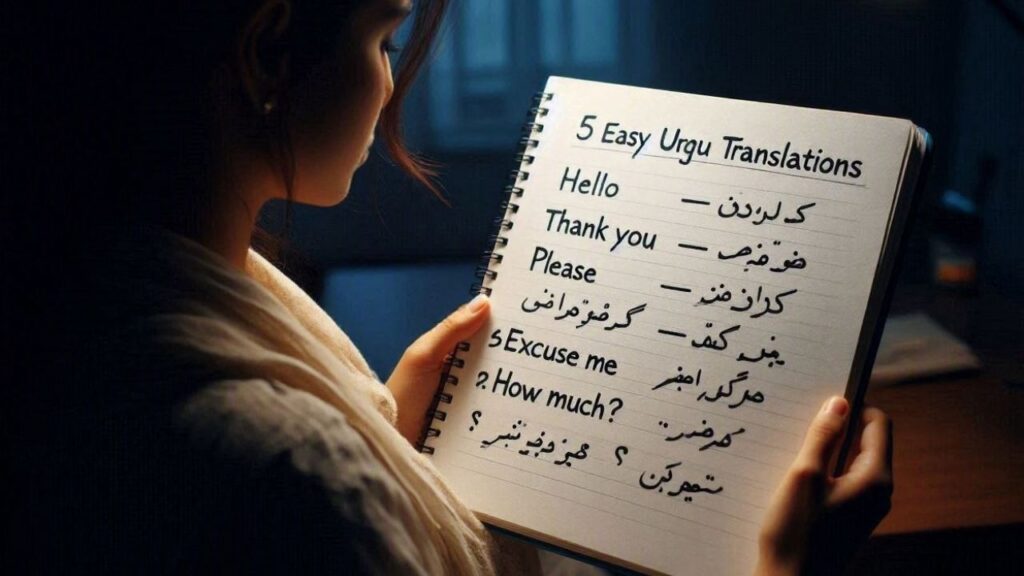
5 Easy Urdu Translations You Can Use
There is no single Urdu sentence that must always be used.
Depending on the situation, these natural expressions can communicate a similar sentiment:
- اللہ آپ کو برکت دے۔
- اللہ آپ پر اپنی رحمت فرمائے۔
- اللہ آپ کو ہمیشہ خوش رکھے۔
- اللہ آپ کی زندگی میں خیر و برکت عطا فرمائے۔
- اللہ آپ کو ہر قدم پر کامیابی اور برکت دے۔
These versions differ slightly in meaning.
For example, Allah aap ko barkat de focuses directly on blessing. Allah aap ko hamesha khush rakhe emphasizes happiness. Meanwhile, Allah aap ki zindagi mein khair o barkat ata farmaye combines goodness and blessing.
10 Beautiful Urdu Expressions With Similar Meaning
If you want to express the same feeling without repeating one sentence, these alternatives can help.
- اللہ آپ کو ہمیشہ خوش رکھے۔
- اللہ آپ کی زندگی میں خیر و برکت عطا فرمائے۔
- اللہ آپ کے رزق میں برکت دے۔
- اللہ آپ کے گھر کو خوشیوں سے بھر دے۔
- اللہ آپ کو ہر مشکل سے محفوظ رکھے۔
- اللہ آپ کی نیک خواہشات پوری فرمائے۔
- اللہ آپ کو دنیا اور آخرت کی بھلائیاں عطا فرمائے۔
- اللہ آپ کے وقت اور کام میں برکت دے۔
- اللہ آپ کے خاندان کو اپنی حفظ و امان میں رکھے۔
- اللہ آپ کو ہمیشہ اپنی رحمت کے سائے میں رکھے۔
Each sentence can be adapted to a particular situation.
For instance, someone who helped you financially might receive a dua for rizq and barakah. Someone going through a difficult period may receive a prayer for protection and ease.

The Arabic Expression Behind the English Phrase
One of the most common Arabic expressions associated with this idea is:
بَارَكَ اللهُ فِيكَ
Transliteration:
Bāraka Allāhu fīk
A natural meaning is:
May Allah bless you.
The ending changes according to whom you are addressing.
- بَارَكَ اللهُ فِيكَ — Bāraka Allāhu fīka — commonly addressed to a male.
- بَارَكَ اللهُ فِيكِ — Bāraka Allāhu fīki — commonly addressed to a female.
- بَارَكَ اللهُ فِيكُمْ — Bāraka Allāhu fīkum — commonly used when addressing multiple people or respectfully addressing a group.
The important word here is baraka, connected with blessing and increase in goodness.
6 Useful Arabic Forms for Different Situations
Arabic grammar can change the ending of a phrase depending on the person being addressed.
- Bāraka Allāhu fīka — addressed to a may Allah bless you meaning in Urdu
- Bāraka Allāhu fīki — addressed to a may Allah bless you meaning in Urdu
- Bāraka Allāhu fīkum — addressed tomay Allah bless you meaning in Urdu.
- Bārakallāhu lak — another form meaning may Allah blessmay Allah bless you meaning in Urdu
- Allāhumma bārik — O Allah, bless.
- Jazākallāhu khayran — May Allah reward you witmay Allah bless you meaning in Urdu
These expressions should not be treated as completely interchangeable in every grammaticamay Allah bless you meaning in Urdu
They can overlap in purpose, but their literal meanings and contexts are may Allah bless you meaning in Urdu
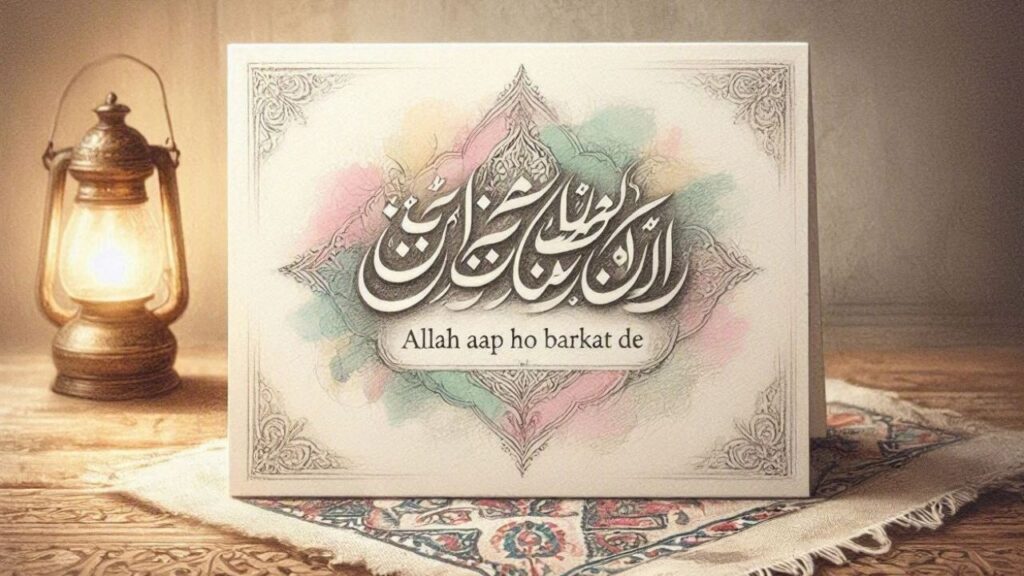
May Allah Bless You Meaning in Urdu and Roman Urdu
For Urdu speakers who prefer Roman Urdu, the expression can be written in several ways.
- Allah aap ko barkat de.
- Allah aap par rehmat farmaye.
- Allah aap ko hamesha khush rakhe.
- Allah aap ke rizq mein barkat de.
- Allah aap ki zindagi mein khair o barkat ata farmaye.
The easiest Roman Urdu translation is:
Allah aap ko barkat de.
This wording is simple enough for everyday may Allah bless you meaning in Urdu
However, the longer forms can be more suitable when writing a message, dua, greeting, or appreciationmay Allah bless you meaning in Urdu
8 Powerful Situations Where You Can Say It
The expression fits many everyday may Allah bless you meaning in Urdu
When Someone Helps You
- Say it after receiving meaningful may Allah bless you meaning in Urdu
- It can accompany a simple thankmay Allah bless you meaning in Urdu
- It turns gratitude into amay Allah bless you meaning in Urdu
After Receiving a Gift
- You can thank thmay Allah bless you meaning in Urdu
- Then make a prayer formay Allah bless you meaning in Urdu
- This sounds warm and may Allah bless you meaning in Urdu
After Someone Gives Charity
- A dua for blessing can express appreciation.
- It can be especially suitable when someone supports a good cause.
- Keep the wording sincere rather than exaggerated.
When Someone Gives Advice
- You can use a blessing as a respectful may Allah bless you meaning in Urdu
- This works particularly well when advice has genuinely benefitemay Allah bless you meaning in Urdu
When Someone Achieves Something
- You can congratulate may Allah bless you meaning in Urdu
- Then add a prayer for continued success andmay Allah bless you meaning in Urdu
- This creates a positive and respectful may Allah bless you meaning in Urdu
For Parents
- Children can use such expressions when thanking may Allah bless you meaning in Urdu
- A longer dua can make the message even more may Allah bless you meaning in Urdu
For Teachers
- Students may use a blessing when expressing may Allah bless you meaning in Urdu
- It can communicate respect anmay Allah bless you meaning in Urdu
In Online Messages
- The phrase works well in WhatsApp messages, comments, captions, and privatemay Allah bless you meaning in Urdu.
- However, the tone should match the remay Allah bless you meaning in Urdu

15 Original May Allah Bless You Messages to Share
These messages are suitable for texts, social media, cards, or personal may Allah bless you meaning in Urdu
- May Allah bless you with peace that stays in your may Allah bless you meaning in Urdu
- May Allah bless you for every kindness you show tomay Allah bless you meaning in Urdu
- May Allah fill your days with goodness, mercy, and beautiful omay Allah bless you meaning in Urdu
- May Allah bless your home with love, peace, and lastinmay Allah bless you meaning in Urdu
- May Allah increase the goodness in your life and protect you from may Allah bless you meaning in Urdu
- May Allah bless your efforts and make your sincere dreams easier tmay Allah bless you meaning in Urdu
- May Allah reward your kindness with blessings you never may Allah bless you meaning in Urdu
- May Allah put barakah in your time, health, family, and may Allah bless you meaning in Urdu
- May Allah bless you with a peaceful heart and a hopeful fmay Allah bless you meaning in Urdu
- May Allah guide your steps toward everything that is good fomay Allah bless you meaning in Urdu
- May Allah bless your family and keep your loved ones may Allah bless you meaning in Urdu
- May Allah turn your difficulties into ease and your worries into may Allah bless you meaning in Urdu
- May Allah bless every sincere effort you make for yourself andmay Allah bless you meaning in Urdu
- May Allah grant you goodness in this life and reward you with goodness in themay Allah bless you meaning in Urdu
- May Allah’s mercy, protection, and blessings remain with you wherever youmay Allah bless you meaning in Urdu
What Is the Difference Between Barakah and Ordinary Success?
The concept of barakah is important when understanding thimay Allah bless you meaning in Urdu
- Ordinary success often describes an achievement or positive rmay Allah bless you meaning in Urdu
- Barakah refers to beneficial blessing and may Allah bless you meaning in Urdu
- Something can be small but still contain great may Allah bless you meaning in Urdu
- Therefore, barakah is not measured only by may Allah bless you meaning in Urdu
- A blessed life can involve peace, usefulness, gratitude, and benefit.
Consider two examples.
One person may have plenty of money but constant anxiety. Another may have less wealth but enjoy peace, family support, and meaningful work.
The second situation may be described as having greater blessing in certain respects.
This helps explain why Islamic expressions of blessing often go beyond material prosperity.
7 Areas Where People Commonly Ask for Barakah
When Muslims make duas for blessing, they may ask Allah to bless different areas of life.
- Rizq: lawful and beneficial provision.
- Health: strength and well-being.
- Time: productive and meaningful use of time.
- Family: love, unity, and protection.
- Knowledge: beneficial understanding.
- Work: useful effort and good results.
- Faith: guidance, sincerity, and spiritual strength.
The wording of a dua can therefore be tailored to the person’s circumstances.
For example, a student might receive a prayer for beneficial knowledge. A newly married couple might receive a prayer for love and blessing in their home.

9 Ways to Reply When Someone Says “May Allah Bless You”
Someone may say a blessing to you after helping or congratulating you.
You can respond naturally.
- Ameen.
- Ameen, and may Allah bless you too.
- JazakAllahu khayran.
- Thank you, may Allah reward you.
- Ameen, may Allah grant you the same.
- BarakAllahu feek.
- Ameen, Allah bless you and your family.
- JazakAllahu khayran for your kind dua.
- Ameen, may Allah increase you in goodness.
The simplest response is often Ameen.
If you want to return the blessing, you can add a similar prayer for the other person.
What Does “Ameen” Mean as a Response?
Ameen is commonly said after a dua.
It expresses a wish that the prayer is accepted.
Therefore, if someone says:
May Allah bless you.
A natural response can simply be:
Ameen.
You can also say:
Ameen, and may Allah bless you too.
This response is especially natural because you are acknowledging the dua while returning a good wish.
7 Common Mistakes to Avoid
Understanding the phrase also means knowing how not to overcomplicate it.
- Do not assume every Arabic blessing has exactly the same grammatical meaning.
- Do not use a male-specific Arabic form when addressing a female without understanding the difference.
- Do not translate barakah as financial wealth only.
- Do not force religious expressions into situations where they sound unnatural.
- Do not assume transliteration has only one spelling.
- Do not worry excessively about minor transliteration differences.
- Do not use complicated Arabic when a simple Urdu dua communicates your meaning clearly.
The goal is sincere communication.
A short, genuine dua is often better than a complicated sentence that you do not fully understand.
May Allah Bless You for a Male and Female
Arabic distinguishes between masculine and feminine forms in many situations.
For a male, a common expression is:
بَارَكَ اللهُ فِيكَ
Bāraka Allāhu fīka
For a female:
بَارَكَ اللهُ فِيكِ
Bāraka Allāhu fīki
For a group:
بَارَكَ اللهُ فِيكُمْ
Bāraka Allāhu fīkum
The difference is mainly in the ending.
In Urdu, this distinction is usually not required in the same way.
You can simply say:
Allah aap ko barkat de.
This respectful expression works naturally when speaking to one person regardless of gender.
5 Family Blessings in Urdu
Family-related duas are among the most heartfelt forms of well-wishing.
- اللہ آپ کے گھر میں ہمیشہ سکون اور برکت عطا فرمائے۔
- اللہ آپ کے والدین کو صحت اور خوشی دے۔
- اللہ آپ کے بچوں کو نیک، کامیاب اور خوش رکھے۔
- اللہ آپ کے خاندان کو ہر آفت سے محفوظ رکھے۔
- اللہ آپ کے گھر کو محبت، رحمت اور خیر سے بھر دے۔
These messages can be used after weddings, births, family celebrations, or difficult moments.
They can also be adapted for personal messages.

10 Beautiful Blessings for Friends
A close friend may appreciate a more personal dua.
- May Allah bless your friendship with sincere people.
- May Allah bless your plans with beneficial results.
- May Allah protect you wherever life takes you.
- May Allah give you strength when things become difficult.
- May Allah put peace in your heart.
- May Allah open doors of halal opportunities for you.
- May Allah bless your family with happiness.
- May Allah increase you in beneficial knowledge.
- May Allah make your future better than your past.
- May Allah bless every good intention in your heart.
These messages avoid unnecessary exaggeration.
They focus on practical blessings that people can genuinely appreciate.
8 Blessings for Someone Who Helped You
If someone has supported you, consider a message like these.
- May Allah bless you for helping me when I needed support.
- May Allah reward your kindness with endless goodness.
- May Allah put barakah in everything you do.
- May Allah make your own difficult moments easy.
- May Allah bless your family because of the kindness you showed me.
- May Allah increase your lawful provision.
- May Allah reward your generosity in beautiful ways.
- May Allah never let your good deeds go without reward.
A personal detail can make these messages stronger.
For example, mention the specific help before adding the dua.

The Powerful Connection Between Gratitude and Dua
A blessing can work as both gratitude and prayer.
Instead of simply saying “thank you,” a Muslim may choose an expression that asks Allah to reward the person.
This creates a meaningful connection between appreciation and faith.
- Gratitude acknowledges what someone has done.
- Dua asks Allah to reward or bless them.
- Kind words strengthen relationships.
- A sincere prayer can carry emotional value beyond ordinary thanks.
This is why such expressions are common in Muslim communities.
7 Differences Between “Thank You” and an Islamic Blessing
The two expressions can overlap, but they are not identical.
- “Thank you” directly acknowledges the person’s action.
- A blessing expresses a prayer for the person’s goodness.
- “Thank you” can be completely secular.
- An Islamic blessing explicitly refers to Allah.
- A blessing may be used alongside gratitude.
- The two expressions can be combined naturally.
- The best choice depends on the relationship and situation.
For example:
Thank you for helping me. May Allah bless you.
This sentence communicates both appreciation and dua.
May Allah Bless You Meaning in Urdu for Daily Conversation
In everyday Urdu, people often prefer simple wording.
You do not need a long religious sentence every time.
Useful examples include:
- Allah aap ko barkat de.
- Allah aap ko khush rakhe.
- Allah aap ke liye asani kare.
- Allah aap ke rizq mein barkat de.
- Allah aap ko kamyabi de.
- Allah aap ki hifazat farmaye.
- Allah aap ke ghar mein sukoon de.
The appropriate expression depends on what you want to wish for the person.

7 Short Blessings for WhatsApp and Social Media
Short messages are easier to share.
- May Allah bless you always.
- May Allah bless your heart with peace.
- May Allah bless your family.
- May Allah bless your efforts.
- May Allah bless your rizq.
- May Allah bless your future.
- May Allah bless you with endless goodness.
You can also add Ameen at the end when sharing a personal dua.
10 Heart-Touching Blessings for Difficult Times
When someone is struggling, a thoughtful blessing can provide comfort.
- May Allah replace your worries with peace.
- May Allah make every difficult path easier for you.
- May Allah give your heart strength and patience.
- May Allah open a door where you see no way forward.
- May Allah protect you from hidden difficulties.
- May Allah bring relief after every hardship.
- May Allah surround you with sincere people.
- May Allah grant you patience without taking away your hope.
- May Allah turn your pain into a source of strength.
- May Allah bless you with better days ahead.
These statements should be offered with compassion.
They should not replace practical help when someone genuinely needs support.
6 Blessings for Success, Work, and Business
Success-related duas can focus on beneficial outcomes rather than wealth alone.
- May Allah bless your work with barakah.
- May Allah make your efforts fruitful.
- May Allah provide you with halal opportunities.
- May Allah protect your business from harmful decisions.
- May Allah bless your earnings and make them beneficial.
- May Allah guide you toward opportunities that are good for you.
The phrase halal rizq is especially relevant in Islamic discussions about lawful provision.
7 Blessings for Students and Learners
Students can also receive specific duas.
- May Allah bless you with beneficial knowledge.
- May Allah make learning easy for you.
- May Allah strengthen your memory and understanding.
- May Allah bless your study time.
- May Allah guide you toward useful knowledge.
- May Allah reward your effort and patience.
- May Allah grant you success that benefits you and others.
These blessings focus on both achievement and beneficial knowledge.
5 Blessings for Parents
Parents can receive deeply respectful duas.
- May Allah bless your parents with health and peace.
- May Allah reward your parents for every sacrifice they made.
- May Allah keep your parents under His mercy.
- May Allah fill their lives with comfort and happiness.
- May Allah grant your family lasting love and unity.
When speaking about deceased parents, Muslims may instead make a specific dua asking Allah to forgive and have mercy upon them.
8 Meaningful Blessings for a New Beginning
New beginnings often inspire prayers.
These may include a new job, marriage, home, business, education, or journey.
- May Allah bless this new chapter of your life.
- May Allah guide every decision you make.
- May Allah place goodness in your new beginning.
- May Allah protect you from unnecessary difficulties.
- May Allah grant you success with peace.
- May Allah surround your path with beneficial opportunities.
- May Allah bless your future with stability.
- May Allah make this beginning better than you imagined.
The most meaningful dua is often the one connected directly to the person’s situation.
6 Ways to Make Your Dua More Personal
A generic blessing is beautiful, but a personal one can feel even more sincere.
- Mention the person’s specific effort.
- Ask for a blessing related to their current situation.
- Keep the wording simple.
- Avoid making unrealistic promises.
- Add their family when appropriate.
- Speak from genuine gratitude.
For example, instead of saying only:
May Allah bless you.
You could say:
May Allah bless you for helping my family during such a difficult time.
The second version explains why you are making the dua.
The Difference Between Translation and Intended Meaning
Literal translation and intended meaning are not always identical.
A translator may provide a short English equivalent.
However, a cultural or religious explanation may reveal a broader meaning.
For example, barkat can be translated as blessing, but the concept can involve beneficial increase, goodness, and divine favor.
Therefore, when explaining the phrase to someone learning Urdu, it is useful to give both:
- The direct translation.
- The broader contextual meaning.
This approach prevents the phrase from becoming a simple word-for-word exercise.
7 Related Arabic Expressions You May Hear
Several Arabic phrases can appear in conversations involving blessings and gratitude.
- Bāraka Allāhu fīk — May Allah bless you.
- Bāraka Allāhu fīkum — May Allah bless you all.
- Allāhumma bārik — O Allah, bless.
- Jazākallāhu khayran — May Allah reward you with goodness.
- Allāh yuwafّiqak — May Allah grant you success.
- Allāh yahfazak — May Allah protect you.
- Allāh yubārِik fīk — May Allah bless you.
Arabic pronunciation can vary slightly across dialects.
For formal religious or educational use, it is best to check the Arabic spelling and grammatical form rather than relying only on English transliteration.
What Does “Allahumma Barik” Mean?
اللهم بارك
is commonly transliterated as:
Allahumma barik
Its basic sense is:
O Allah, bless.
It is an invocation asking Allah to place blessing in something or someone.
People may use it when admiring a blessing or when making a positive dua.
However, context matters.
It should not automatically be treated as a direct replacement for every expression meaning “May Allah bless you.”
The phrases overlap in their general theme, but their grammatical construction differs.
“JazakAllahu Khairan” vs. “May Allah Bless You”
These expressions are related but not identical.
- JazakAllahu khayran asks Allah to reward someone with goodness.
- Bāraka Allāhu fīk asks Allah to bless someone.
- Allah aap ko barkat de communicates the same general blessing idea in Urdu.
- Both can be used after receiving help.
- The choice depends on what you want to express.
For gratitude, JazakAllahu khayran can be especially appropriate.
For a direct blessing, Bāraka Allāhu fīk is a natural expression.
5 Powerful Examples in Real Conversations
Example 1: After Help
- Person A: “I brought the documents for you.”
- Person B: “Thank you so much. May Allah bless you.”
Example 2: After Charity
- Person A: “I was able to help with the expenses.”
- Person B: “JazakAllahu khayran. May Allah bless you.”
Example 3: After Advice
- Person A: “Your advice helped me make the right decision.”
- Person B: “I am glad it helped. May Allah bless you.”
Example 4: After a Gift
- Person A: “I brought this for you.”
- Person B: “That is very kind of you. Allah aap ko barkat de.”
Example 5: After Support
- Person A: “Call me whenever you need help.”
- Person B: “May Allah bless you for your kindness.”
These examples show that the expression works best when it feels natural rather than forced.
12 Shareable Blessings for Cards and Messages
These longer messages can be used for special occasions.
- May Allah bless your home with peace that grows stronger every day.
- May Allah bless your heart with patience during every difficult moment.
- May Allah bless your family with unity, mercy, and understanding.
- May Allah bless your work and make every honest effort fruitful.
- May Allah bless your future with opportunities that bring lasting good.
- May Allah bless your health and give you strength for every responsibility.
- May Allah bless your journey and keep you safe along the way.
- May Allah bless your knowledge and allow you to benefit others through it.
- May Allah bless your marriage with love, mercy, and understanding.
- May Allah bless your children with guidance and goodness.
- May Allah bless your home with halal provision and contentment.
- May Allah bless you with peace that remains even during difficult seasons.
7 Important Cultural Notes About Using the Phrase
Language is influenced by culture.
Therefore, the same sentence can feel different depending on the setting.
- Religious expressions are common in many Muslim communities.
- Urdu speakers may naturally mix Arabic phrases into Urdu conversation.
- Family members often use blessings as expressions of affection.
- Older people may use more traditional wording.
- Younger speakers may prefer shorter Roman Urdu expressions.
- Online communication often uses simplified transliteration.
- The sincerity behind the words matters more than making the sentence unnecessarily complicated.
This is why several variations can sound natural.
How to Pronounce the Main Arabic Phrase
For learners, pronunciation can initially feel difficult.
The phrase:
بَارَكَ اللهُ فِيكَ
can be approximated as:
Baa-ra-ka Al-laa-hu fee-ka
For a female:
Baa-ra-ka Al-laa-hu fee-ki
For a group:
Baa-ra-ka Al-laa-hu fee-kum
Transliteration is only an approximation.
Arabic sounds do not always have exact equivalents in English or Roman Urdu.
Therefore, listening to a reliable Arabic pronunciation source is helpful for serious learners.
5 Reasons This Phrase Feels So Meaningful
The expression has emotional power for several reasons.
- It combines appreciation with prayer.
- It invokes Allah rather than focusing only on the speaker.
- It can be used in happy and difficult situations.
- It can be adapted to many relationships.
- It communicates goodwill in only a few words.
That combination makes it useful in everyday Muslim communication.
How to Use It Without Sounding Repetitive
If you frequently communicate in Urdu or English, repeating the same phrase can sometimes sound automatic.
Instead, vary your wording naturally.
- Allah aap ko barkat de.
- Allah aap ko jazaye khair de.
- Allah aap ke rizq mein barkat de.
- Allah aap ko hamesha khush rakhe.
- Allah aap ki hifazat farmaye.
- Allah aap ke ghar mein sukoon ata farmaye.
- Allah aap ki mehnat ko kamyabi de.
Choose the expression according to the situation.
That makes your message feel more personal.
10 Short Urdu Blessings for Everyday Use
These are especially useful for quick messages.
- اللہ آپ کو خوش رکھے۔
- اللہ آپ کو سلامت رکھے۔
- اللہ آپ کے رزق میں برکت دے۔
- اللہ آپ کو کامیابی دے۔
- اللہ آپ کی حفاظت فرمائے۔
- اللہ آپ کے لیے آسانیاں پیدا کرے۔
- اللہ آپ کو سکون عطا فرمائے۔
- اللہ آپ کی نیک خواہشات پوری فرمائے۔
- اللہ آپ کے گھر میں خیر و برکت دے۔
- اللہ آپ کو ہمیشہ اپنی رحمت میں رکھے۔
7 Ways to Explain the Phrase to a Non-Urdu Speaker
If someone asks what the expression means, avoid giving only a dictionary translation.
You can explain that:
- It is a prayer for divine blessing.
- It can express gratitude.
- It can wish someone goodness.
- It can refer to spiritual or worldly blessings.
- It is commonly used by Muslims.
- It does not necessarily refer to money.
- The exact Urdu wording may vary by context.
A simple explanation would be:
“It means you are asking Allah to bless the person with goodness, mercy, protection, and beneficial things in life.”
May Allah Bless You Meaning in Urdu for Children
Children can learn the phrase through simple examples.
- Allah aap ko barkat de means Allah آپ کو برکت دے.
- Explain barkat as a special kind of goodness and blessing.
- Teach children to say it after receiving kindness.
- Encourage them to combine it with “thank you.”
- Keep the explanation age-appropriate.
- Focus on kindness rather than memorization alone.
For a child, a simple example works well:
“Thank you for helping me. Allah aap ko barkat de.”
8 Blessings for Someone You Love
A heartfelt message does not need romantic language to be meaningful.
- May Allah protect you wherever you are.
- May Allah fill your heart with peace.
- May Allah bless your family and loved ones.
- May Allah guide you toward what is best.
- May Allah give you strength through every challenge.
- May Allah bless your dreams when they are good for you.
- May Allah keep harmful things away from your path.
- May Allah grant you a future filled with goodness.
These messages can work for friends, relatives, spouses, or people you deeply respect.
6 Blessings for a Wedding or Marriage
Marriage-related blessings often focus on love, mercy, and stability.
- May Allah bless your marriage with love and mercy.
- May Allah place peace and understanding between you.
- May Allah bless your new home with happiness.
- May Allah grant you patience during difficult moments.
- May Allah bless your family with righteous and loving relationships.
- May Allah keep your marriage filled with barakah.
A wedding blessing can be short or detailed.
The most important element is sincerity.
6 Blessings for a New Baby
A new baby often inspires heartfelt prayers.
- May Allah bless the baby with health and goodness.
- May Allah protect the child from harm.
- May Allah bless the parents with patience and wisdom.
- May Allah make the child a source of happiness.
- May Allah guide the child toward righteousness.
- May Allah fill the family home with mercy and joy.
These messages can be shared in cards, texts, or social media posts.
5 Blessings for Someone Starting a Journey
Travel often creates an opportunity for a thoughtful dua.
- May Allah protect you throughout your journey.
- May Allah make your travel safe and easy.
- May Allah bring you home safely.
- May Allah bless every step of your journey.
- May Allah keep you under His protection wherever you go.
For formal Islamic travel duas, consult authentic religious sources for the established wording.
7 Blessings for Someone Facing an Important Decision
When someone is making a major decision, avoid promising a specific outcome.
Instead, pray for guidance and goodness.
- May Allah guide you toward what is best.
- May Allah make the right path clear to you.
- May Allah protect you from harmful choices.
- May Allah place barakah in your decision.
- May Allah give you wisdom and patience.
- May Allah make the outcome beneficial for you.
- May Allah grant you peace with the decision you make.
These expressions focus on guidance rather than certainty.
Why “Blessing” Does Not Always Mean More
A common misunderstanding is that blessing means having more of something.
In many religious contexts, the idea is more nuanced.
- More money does not automatically mean more barakah.
- More possessions do not guarantee peace.
- More time does not always mean greater productivity.
- More knowledge is valuable when it benefits the person and others.
- A smaller amount can sometimes produce greater benefit.
Thus, the concept of blessing is connected with goodness and benefit.
10 LSI Keywords and Related Terms to Understand
For people researching this topic, several related expressions may appear.
- Allah aap ko barkat de
- Allah bless you in Urdu
- May Allah bless you in Arabic
- Bāraka Allāhu fīk
- Allahumma barik meaning
- JazakAllahu khairan meaning
- Islamic blessings
- Urdu duas
- Arabic dua phrases
- barakah meaning in Islam
These terms help explain the topic from linguistic, cultural, and religious perspectives.
A Simple Formula for Writing Your Own Blessing
You can create a meaningful blessing without memorizing dozens of sentences.
Use this simple structure:
Allah + person + specific blessing + situation
For example:
Allah aap ko aap ke naye kaam mein barkat de.
Or:
Allah aap ke ghar mein sukoon aur barkat ata farmaye.
This method lets you create natural duas that match the situation.
8 Examples of Personalized Blessings
- Allah aap ki mehnat mein barkat de.
- Allah aap ke naye business mein khair ata farmaye.
- Allah aap ki padhai mein asani aur kamyabi de.
- Allah aap ke ghar ko sukoon se bhar de.
- Allah aap ke safar ko mehfooz banaye.
- Allah aap ke rizq mein halal barkat ata farmaye.
- Allah aap ke bachon ko nek aur kamyab banaye.
- Allah aap ke har nek irade mein khair rakhe.
These examples demonstrate how the phrase can adapt to different needs.
5 Ways to Make Your Message More Heartfelt
A good blessing does not need complicated vocabulary.
- Mention the kindness you received.
- Use the person’s name when appropriate.
- Add a specific prayer.
- Keep the tone sincere.
- Avoid unnecessary exaggeration.
For example:
“Thank you for standing by me when I needed support. May Allah bless you and your family with peace and goodness.”
This feels more personal than a generic sentence.
When a Short Blessing Is Better
Long duas have their place, but short expressions can be more natural in conversation.
Use a short blessing when:
- Someone quickly helps you.
- You are replying to a message.
- You are leaving a conversation.
- You are writing a brief comment.
- You are responding to a simple favor.
- The situation does not call for a long message.
Allah aap ko barkat de is enough in many everyday situations.
When a Longer Dua Is More Appropriate
A longer prayer may suit a major life event.
Examples include:
- Marriage
- Birth of a child
- Graduation
- New business
- New home
- Difficult illness or hardship
- Major life transition
In such situations, a few specific prayers can feel more thoughtful.
12 Shareable “May Allah Bless You” Quotes
These are original lines designed for sharing.
- May Allah bless you beyond what you can see today.
- May Allah bless the work your heart is willing to do.
- May Allah bless your quiet efforts with beautiful results.
- May Allah bless you with people who sincerely want good for you.
- May Allah bless your home with peace and your heart with contentment.
- May Allah bless your patience with relief.
- May Allah bless your knowledge with wisdom.
- May Allah bless your success with humility.
- May Allah bless your wealth with halal barakah.
- May Allah bless your future with opportunities that bring goodness.
- May Allah bless you when no one else knows what you are facing.
- May Allah bless every sincere dua you carry in your heart.
How to Keep This Topic SEO-Friendly
Search optimization should support the reader rather than interrupt the article.
For this topic, naturally include related phrases such as:
- Urdu meaning
- Arabic meaning
- Roman Urdu
- Arabic pronunciation
- Islamic dua
- barakah
- blessing
- gratitude
- Arabic phrases
- Islamic greetings
- dua for someone
- Allah bless you
Avoid repeating the exact focus keyword in every paragraph.
Search engines understand related language and semantic context.
7 SEO-Friendly Content Ideas Around This Topic
A blessings website can build a useful content cluster around this article.
- What Does Barakah Mean in Islam?
- JazakAllahu Khairan Meaning in Urdu
- Allahumma Barik Meaning and When to Say It
- Beautiful Islamic Duas for Friends
- Islamic Blessings for Family
- Arabic Phrases With Urdu Meanings
- Best Islamic Expressions for Gratitude
These topics can naturally link back to the main article.
The Most Natural Way to Explain the Phrase
If someone asks you for a quick explanation, keep it simple.
You can say:
“May Allah bless you means Allah aap ko barkat de. It is a dua in which you ask Allah to give someone goodness, blessing, protection, peace, or beneficial increase.”
This explanation covers both the literal and broader meaning.
It also avoids reducing barakah to money or material success.
5 Important Points About Arabic Transliteration
Romanized Arabic can be written in different ways.
For example:
- BarakAllahu feek
- Barakallahu fik
- Bāraka Allāhu fīk
- Barak Allahu feek
These may represent the same Arabic phrase with different transliteration systems.
Therefore, spelling differences do not necessarily indicate different meanings.
For accurate learning, look at the original Arabic alongside the transliteration.
7 Things That Make a Blessing More Meaningful
A meaningful dua often has these qualities.
- Sincerity
- Appropriate timing
- Simple language
- Genuine gratitude
- Specific intention
- Respectful wording
- Good wishes
You do not need poetic language.
A simple sentence spoken sincerely can be more touching than a long message written only for appearance.
10 Short Blessings for Comments
If you want to respond to someone’s post, these short lines work well.
- May Allah bless you always.
- Allah bless your beautiful efforts.
- May Allah increase you in goodness.
- May Allah put barakah in your life.
- May Allah bless your family.
- May Allah grant you peace.
- May Allah protect you always.
- May Allah reward your kindness.
- May Allah bless your journey.
- May Allah accept your good intentions.
Short comments are often better online because they feel natural and easy to read.
5 Ways to Use Blessings in Professional Conversations
Islamic expressions can also appear in professional settings when the environment is appropriate.
- Thank someone for their assistance.
- Congratulate a colleague respectfully.
- Appreciate someone’s generosity.
- Wish someone success in a new role.
- End a friendly professional message with a brief dua.
For example:
“Thank you for your support. May Allah bless you and make your work successful.”
The exact tone should match the workplace and relationship.
7 Blessings for Teachers and Mentors
Teachers often receive prayers of gratitude.
- May Allah bless you for sharing your knowledge.
- May Allah reward every student who benefits from your teaching.
- May Allah increase you in beneficial knowledge.
- May Allah put barakah in your time and effort.
- May Allah bless your family for supporting your work.
- May Allah make your knowledge a source of lasting benefit.
- May Allah reward your patience and kindness.
These messages are particularly suitable for appreciation posts and thank-you notes.
7 Blessings for Someone Who Gives Advice
Advice can be a meaningful form of support.
- May Allah bless you for your sincere advice.
- May Allah reward you for guiding me toward what is good.
- May Allah increase you in wisdom.
- May Allah bless your judgment and understanding.
- May Allah make your words beneficial to others.
- May Allah protect you from misleading paths.
- May Allah reward every sincere effort you make to help others.
5 Blessings for Someone Who Prays for You
When someone tells you that they are making dua for you, a warm response is appropriate.
- May Allah bless you for remembering me in your prayers.
- Ameen, may Allah reward you with goodness.
- May Allah accept your dua and bless you too.
- May Allah give you the same goodness you wish for me.
- JazakAllahu khayran, may Allah bless you abundantly.
These responses combine gratitude with a returned prayer.
Why Context Matters More Than Literal Translation
Translation gives us words.
Context gives us meaning.
For example, someone saying Allah aap ko barkat de after receiving food is expressing appreciation and a prayer for blessing.
Someone saying the same phrase after receiving major help may be expressing deeper gratitude.
The words are similar, but the emotional context changes.
That is why understanding the situation is essential when learning expressions from another language.
8 Natural English Alternatives
If you need to explain the idea in English, these alternatives can work depending on context.
- May Allah bless you.
- May Allah reward you with goodness.
- May Allah increase you in blessings.
- May Allah bless your efforts.
- May Allah bless your family.
- May Allah grant you goodness.
- May Allah protect and bless you.
- May Allah put barakah in your life.
They should not all be treated as exact translations.
Some are contextual paraphrases.
10 Urdu Alternatives for Different Situations
Here are useful variations.
- اللہ آپ کو برکت دے۔
- اللہ آپ کے رزق میں برکت دے۔
- اللہ آپ کی زندگی میں خیر عطا فرمائے۔
- اللہ آپ کو خوش رکھے۔
- اللہ آپ کو سلامت رکھے۔
- اللہ آپ کی حفاظت فرمائے۔
- اللہ آپ کے گھر میں برکت دے۔
- اللہ آپ کے کام میں کامیابی دے۔
- اللہ آپ کو اپنی رحمت میں رکھے۔
- اللہ آپ کے لیے آسانیاں پیدا فرمائے۔
6 Blessings for Someone You Respect
Respectful blessings can remain simple.
- May Allah bless you with wisdom and peace.
- May Allah reward your kindness.
- May Allah increase you in beneficial knowledge.
- May Allah bless your family.
- May Allah protect you from every harmful path.
- May Allah grant you goodness in this life and the Hereafter.
5 Blessings for Someone Older Than You
When speaking to elders, respectful Urdu often feels natural.
- اللہ آپ کو صحت اور سلامتی عطا فرمائے۔
- اللہ آپ کو لمبی نیک زندگی دے۔
- اللہ آپ کے گھر میں ہمیشہ برکت رکھے۔
- اللہ آپ کو اپنی رحمت اور حفاظت میں رکھے۔
- اللہ آپ کی ہر نیک دعا قبول فرمائے۔
Use the wording that feels natural within your family and culture.
8 Blessings for a Friend’s Achievement
When a friend succeeds, combine congratulations with dua.
- Congratulations, may Allah bless your success.
- May Allah make this achievement a source of greater goodness.
- May Allah bless your next step.
- May Allah increase you in beneficial opportunities.
- May Allah keep success from becoming a source of pride.
- May Allah bless your efforts and future plans.
- May Allah grant you even better opportunities.
- May Allah make your success beneficial for others too.
The Role of Sincerity in Islamic Well-Wishes
Words have greater value when they reflect genuine intention.
A blessing should not become an empty phrase used automatically.
When you sincerely wish someone well:
- Speak naturally.
- Choose words you understand.
- Consider the person’s situation.
- Avoid unnecessary exaggeration.
- Make the prayer meaningful.
This approach makes everyday religious language feel more genuine.
10 One-Line Blessings for Quick Sharing
- May Allah bless your heart with peace.
- May Allah bless your home with happiness.
- May Allah bless your efforts with success.
- May Allah bless your family with unity.
- May Allah bless your health with strength.
- May Allah bless your rizq with barakah.
- May Allah bless your future with goodness.
- May Allah bless your journey with safety.
- May Allah bless your knowledge with wisdom.
- May Allah bless your life with lasting goodness.
How the Phrase Fits Into Islamic Etiquette
Good manners include expressing gratitude and making good wishes for others.
A blessing can therefore complement ordinary courtesy.
For example:
“Thank you for your kindness. May Allah bless you.”
This combines social politeness with a religious dua.
However, etiquette also means choosing the right moment.
A serious situation may call for compassion rather than a casual expression.
5 Things to Remember About the Urdu Meaning
Before using the phrase, remember these key points.
- The simplest Urdu translation is Allah aap ko barkat de.
- Barkat means more than money.
- The phrase can express gratitude and prayer.
- Arabic has gender-specific forms.
- Context determines the best wording.
Once these points are clear, the phrase becomes much easier to understand and use.
A Complete Quick Reference Table
| Expression | Language | Simple Meaning | Common Use |
| اللہ آپ کو برکت دے | Urdu | May Allah bless you | Gratitude and goodwill |
| Allah aap ko barkat de | Roman Urdu | May Allah bless you | Everyday conversation |
| بَارَكَ اللهُ فِيكَ | Arabic | May Allah bless you | Addressing a male |
| بَارَكَ اللهُ فِيكِ | Arabic | May Allah bless you | Addressing a female |
| بَارَكَ اللهُ فِيكُمْ | Arabic | May Allah bless you all | Group |
| اللهم بارك | Arabic | O Allah, bless | Making a blessing |
| جزاك الله خيرًا | Arabic | May Allah reward you with goodness | Gratitude |
| آمين | Arabic | Ameen | Response to a dua |
The exact grammatical usage of Arabic expressions can depend on context, number, gender, and dialect.
10 Powerful Blessings for Family and Friends
- May Allah bless your family with peace and unity.
- May Allah protect your loved ones from every harm.
- May Allah put barakah in your home.
- May Allah increase the love between family members.
- May Allah bless your children with guidance.
- May Allah grant your parents comfort and health.
- May Allah bless your friendships with sincerity.
- May Allah remove unnecessary worries from your home.
- May Allah grant your family halal and beneficial provision.
- May Allah keep your home filled with mercy and gratitude.
What to Say When Someone Says “Allah Bless You”
There are several natural responses.
Ameen is the simplest.
You can also return the prayer:
“Ameen, may Allah bless you too.”
Or express gratitude:
“JazakAllahu khayran.”
For a group, the wording can be adjusted accordingly.
The important point is that your response should sound natural and respectful.
6 Common Questions People Ask About the Phrase
People often search for this expression because they want to understand either the Urdu translation or the Arabic equivalent.
The most useful answers are straightforward.
- The Urdu form is Allah aap ko barkat de.
- A common Arabic form is Bāraka Allāhu fīk.
- The female Arabic form uses fīki.
- A group can be addressed with fīkum.
- Allahumma barik means “O Allah, bless.”
- JazakAllahu khayran focuses on reward rather than directly saying “bless.”
7 Ways to Build a Blessings Content Cluster
If you are creating a complete website around blessings and prayers, organize related content logically.
- Morning blessings
- Evening blessings
- Family prayers
- Islamic gratitude phrases
- Arabic expressions
- Urdu duas
- Special occasion blessings
Each article should answer a different search intent.
Avoid publishing multiple pages that repeat almost the same content with only the keyword changed.
5 Readability Tips for This Topic
Good readability helps both users and search performance.
- Keep sentences short.
- Explain Arabic terms immediately.
- Use Urdu and Roman Urdu together when helpful.
- Use lists for multiple examples.
- Break long explanations into small sections.
Readers searching for a phrase usually want an answer quickly.
Therefore, place the direct meaning near the beginning.
8 Natural Variations of the Focus Topic
Instead of repeating one exact keyword, natural variations can include:
- Allah bless you meaning in Urdu
- meaning of May Allah bless you in Urdu
- Allah aap ko barkat de meaning
- May Allah bless you Urdu translation
- May Allah bless you in Roman Urdu
- May Allah bless you Arabic meaning
- Allah bless you Islamic meaning
- Urdu meaning of Allah bless you
These variations support semantic relevance without making the article sound repetitive.
10 Original Blessings for Daily Inspiration
- May Allah bless your morning with peace.
- May Allah bless your evening with gratitude.
- May Allah bless your plans with wisdom.
- May Allah bless your efforts with beneficial results.
- May Allah bless your heart when you feel uncertain.
- May Allah bless your family with patience and love.
- May Allah bless your health and strength.
- May Allah bless your income with halal barakah.
- May Allah bless your time with productivity.
- May Allah bless your life with goodness that lasts.
How to Choose the Right Wording
Ask yourself one simple question:
What exactly am I wishing for this person?
If the answer is:
- General goodness → Allah aap ko barkat de
- Happiness → Allah aap ko khush rakhe
- Protection → Allah aap ki hifazat farmaye
- Provision → Allah aap ke rizq mein barkat de
- Success → Allah aap ko kamyabi de
- Ease → Allah aap ke liye asani farmaye
- Family peace → Allah aap ke ghar mein sukoon de
This makes your dua more specific and meaningful.
7 Beautiful Blessings for Friday
Friday is an important day for Muslims, so people often exchange Islamic greetings and duas.
- May Allah bless your Friday with peace.
- May Allah accept your sincere duas.
- May Allah increase you in goodness.
- May Allah bless your family.
- May Allah forgive your shortcomings.
- May Allah guide you toward what is beneficial.
- May Allah fill your day with mercy and barakah.
Use established religious references when making specific claims about Friday practices.
5 Blessings for a New Home
A new home often represents a fresh chapter.
- May Allah fill your new home with peace.
- May Allah place barakah in your home.
- May Allah protect your family from harm.
- May Allah make your home a place of love and worship.
- May Allah grant everyone who enters your home goodness.
These messages work well for housewarming cards and congratulations.
6 Blessings for a New Job
A new job brings opportunities and responsibilities.
- May Allah bless your new job.
- May Allah put barakah in your earnings.
- May Allah make your workplace peaceful.
- May Allah guide you toward good decisions.
- May Allah protect you from unnecessary stress.
- May Allah make your work beneficial to you and others.
7 Blessings for Financial Ease
Financial duas should focus on lawful provision and beneficial use of wealth.
- May Allah bless your halal income.
- May Allah increase your provision with barakah.
- May Allah make your financial responsibilities easier.
- May Allah protect you from harmful debt.
- May Allah give you wisdom in managing your wealth.
- May Allah make your earnings beneficial.
- May Allah grant you contentment alongside provision.
5 Blessings for Someone Recovering From Hardship
A thoughtful message can focus on patience, ease, and hope.
- May Allah replace your hardship with ease.
- May Allah strengthen your heart.
- May Allah bless you with patience and peace.
- May Allah open doors of relief for you.
- May Allah guide you toward people and opportunities that help you.
These are supportive wishes, not guarantees about a person’s future.
Why People Search for the Urdu Meaning
People may search this phrase for several reasons.
- They heard it in a conversation.
- They received it in a message.
- They want to translate an Arabic expression.
- They want to reply correctly.
- They are learning Urdu.
- They want to write an Islamic caption.
- They want to understand the cultural meaning.
A useful article should answer all these intents without making the explanation unnecessarily complicated.
10 Captions Based on the Blessing Theme
- May Allah bless every sincere heart.
- May Allah bless the people who quietly help others.
- May Allah bless every home with peace.
- May Allah bless every honest effort.
- May Allah bless every sincere dua.
- May Allah bless those who bring kindness into difficult days.
- May Allah bless every journey toward goodness.
- May Allah bless our families with mercy.
- May Allah bless our time with beneficial work.
- May Allah bless us with gratitude for every blessing.
7 Ways Parents Can Teach Children This Expression
Parents can make learning practical.
- Explain the phrase in simple Urdu.
- Give examples from daily life.
- Teach children to appreciate kindness.
- Encourage them to make sincere duas.
- Explain that blessings are not only about money.
- Teach respectful Arabic pronunciation gradually.
- Let children hear the expression naturally at home.
The goal is understanding, not simply memorizing words.
5 Ways to Use It in a Thank-You Message
A good thank-you message can follow this structure:
Appreciation + specific reason + dua
Examples:
- Thank you for helping me. May Allah bless you.
- I truly appreciate your support. May Allah reward you with goodness.
- Thank you for remembering me. May Allah bless you and your family.
- Your kindness meant a lot to me. May Allah put barakah in your life.
- Thank you for your advice. May Allah increase you in wisdom.
8 Mistakes in Online Islamic Content
If you publish articles about Islamic phrases, accuracy matters.
- Do not invent Quranic verses.
- Do not attribute unsupported sayings to the Prophet.
- Do not label a phrase as a hadith without verification.
- Do not claim a specific reward without an authentic source.
- Do not confuse cultural usage with religious obligation.
- Do not present dialectal Arabic as universal formal Arabic.
- Do not give a weak translation as the only possible meaning.
- Do not copy competitor content simply because it ranks.
Good Islamic SEO content should be both useful and responsible.
7 Final Takeaways for Learners
After reading this guide, remember these core points.
- The simplest Urdu meaning is Allah aap ko barkat de.
- The Arabic expression Bāraka Allāhu fīk is commonly used for “May Allah bless you.”
- Arabic endings can change according to gender and number.
- Barakah is broader than financial wealth.
- Ameen is a natural response to a dua.
- JazakAllahu khayran focuses on reward with goodness.
- Context determines which expression sounds most appropriate.
These points cover the practical meaning of the phrase.
FAQs
How do you say “may Allah bless you” in Arabic?
A common Arabic expression is بَارَكَ اللهُ فِيكَ, transliterated as Bāraka Allāhu fīk when addressing a male. For a female, فِيكِ (fīki) is commonly used. For a group, فِيكُمْ (fīkum) can be used.
How to wish “May God bless you” in Arabic?
A common Islamic expression is Bāraka Allāhu fīk, meaning “May Allah bless you.” The Arabic form can change according to whom you are addressing. For everyday communication, using the correct gender and number form is helpful.
What do Arabs say for “bless you”?
Arabic speakers use different expressions depending on the situation. Bāraka Allāhu fīk is a common expression meaning “May Allah bless you.” Other expressions, such as Allahumma barik, can also express a prayer for blessing, but they are not grammatically identical.
What does “اللهم بارك” mean?
اللهم بارك (Allahumma barik) means “O Allah, bless.” It is an invocation asking Allah to place blessing in something or someone. The phrase is commonly encountered in Islamic speech and writing.
How do Muslims say “Allah bless you”?
Muslims may say Bāraka Allāhu fīk in Arabic or Allah aap ko barkat de in Urdu. In English, the direct expression is “May Allah bless you.” The appropriate wording depends on language, context, and the person being addressed.
What is the simplest may Allah bless you meaning in Urdu?
The simplest Urdu expression is اللہ آپ کو برکت دے, which is read as Allah aap ko barkat de. It means that you are asking Allah to grant the person blessing, goodness, and beneficial increase.
What does “Allah aap ko barkat de” mean?
It means “May Allah bless you.” It is commonly used as a prayer and expression of gratitude. The word barkat refers to blessing and beneficial goodness, so the meaning can extend beyond material wealth.
How should I reply when someone says “May Allah bless you”?
A simple response is Ameen. You can also say “Ameen, may Allah bless you too” or “JazakAllahu khayran.” Returning a kind prayer is a natural and respectful response.
Is “May Allah bless you” only used after someone helps you?
No. It can be used in many situations. People may say it after receiving help, advice, a gift, or kindness. It can also be used when congratulating someone or simply wishing them goodness.
Does barakah only mean money?
No. Barakah is much broader than financial wealth. It can refer to beneficial blessing in time, health, family, knowledge, work, provision, faith, and other areas of life. A person can have fewer material possessions while still experiencing great benefit and goodness.
Is Bāraka Allāhu fīk used for females?
The common form addressed to a female is Bāraka Allāhu fīki. The difference appears in the final part of the phrase. Arabic grammar distinguishes between masculine and feminine forms in this type of direct address.
What is the difference between Bāraka Allāhu fīk and JazakAllahu khayran?
Bāraka Allāhu fīk means “May Allah bless you.” JazakAllahu khayran means “May Allah reward you with goodness.” Both can be used after kindness or help, but their literal meanings are different.
Conclusion
The may Allah bless you meaning in Urdu can be simply expressed as “اللہ آپ کو برکت دے” or “Allah aap ko barkat de.” It is a beautiful way to combine gratitude, kindness, and dua in one short expression.
In Arabic, Bāraka Allāhu fīk is a common way to express the same general blessing to a person, with grammatical variations for females and groups. Related expressions such as Allahumma barik and JazakAllahu khayran also have important places in Islamic language, although their exact meanings differ.
Most importantly, remember that barakah is broader than wealth. It can involve peace, health, family, time, knowledge, provision, faith, and beneficial goodness.
So whether you say Allah aap ko barkat de, Bāraka Allāhu fīk, or simply May Allah bless you, the most valuable part is the sincerity behind the words.

welcome to blessnexa I am Muhammad inam an ai powered seo and content writer with 4 years of experienceI help website rank higher , grow traffic ,and look amazing ,my goal is to make SEO and web design simple andeffective for everyone .lets achieve more togather