
Theleaves symbolism in the Bible reveals far more than simple details about nature. Throughout Scripture, leaves appear as powerful images of life, spiritual growth, healing, blessing, warning, and hope. From the Garden of Eden to the Tree of Life in Revelation, God repeatedly uses leaves to teach timeless spiritual truths that still encourage believers today.
Rather than being random details, leaves often reflect a person’s spiritual condition. Healthy leaves point to a flourishing relationship with God, while withered leaves remind us of the consequences of sin, unbelief, or spiritual dryness. As we explore these passages, we’ll discover how God uses ordinary leaves to communicate extraordinary lessons about faith and His everlasting leaves symbolism in the Bible
Understanding Leaves Symbolism in the Bible
Before examining individual Bible passages, it helps to understand why leaves hold such deep meaning throughout leaves symbolism in the Bible
In biblical times, people depended heavily on trees for food, shelter, medicine, shade, and survival. Healthy leaves showed that a tree was alive and producing fruit. Because of this, leaves naturally became symbols of life, renewal, God’s provision, spiritual fruitfulness, and divine care.
At the same time, dead or falling leaves reminded people that earthly life is temporary. They illustrated human weakness, seasons of change, and the need to remain rooted ileaves symbolism in the Bible
Across both the Old and New Testaments, the leaves symbolism in the Bible consistently points readers toward larger spiritual realities rather than merely describing leaves symbolism in the Bible
Some of the most common biblical themesleaves symbolism in the Bible:
- Spiritual growth
- Healing and restoration
- God’s provision
- Hope during difficult seasons
- Faithfulness
- Fruitful living
- Renewal
- Divine judgment
- Everlasting life
- God’s kingdom
These themes appear repeatedly from Genesis through Revelation, creating a beautiful biblical picture that unfolds across the entire story of leaves symbolism in the Bible
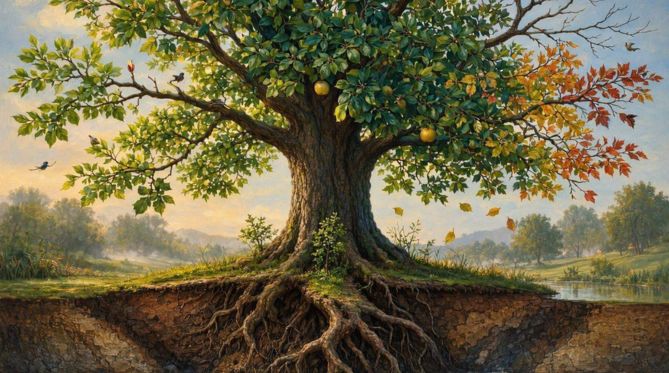
Why God Frequently Uses Trees and Leaves as Spiritual Illustrations
The Bible often compares people to trees because healthy trees display many qualities that resemble a healthy spiritual life.
Consider what a thriving tree leaves symbolism in the Bible
- Deep leaves symbolism in the Bible
- Constant nourishment
- Water
- Light
- Time to grow
- Seasonal pruning
Likewise, believers need God’s Word, prayer, faith, obedience, and the guidance of the Holeaves symbolism in the Bible
Leaves become the visible evidence that a tree is healthy. In the same way, our actions, attitudes, and character reveal what is happening inside our leaves symbolism in the Bible
This imagery makes the leaves symbolism in the Bible both practical and deeply personal. Every believer can ask whether their spiritual “leaves” reflect vitality or spiritual exhaustion.
A Quick Look at What Leaves Represent in Scripture
| Symbol | Biblical Meaning | Key Scripture Examples |
|---|---|---|
| Green leaves | Spiritual life and blessing | Psalm 1, Jeremiah 17 |
| Healing leaves | Restoration and eternal healing | Ezekiel 47, Revelation 22 |
| Falling leaves | Human weakness and change | Isaiah 64, Isaiah 34 |
| Fig leaves | Human effort after sin | Genesis 3 |
| Flourishing leaves | Faithfulness and fruitfulness | Psalm 92, Jeremiah 17 |
| Withered leaves | Judgment and spiritual decline | Jeremiah 8, Hosea 9 |
These themes become clearer as we examine each passage within its biblical context rather than reading verses in ileaves symbolism in the Bible
Leaves as a Picture of Spiritual Life
One of the strongest expressions of leaves symbolism in the Bible is the connection between healthy leaves and spiritual leaves symbolism in the Bible
When Scripture describes flourishing leaves, it usually points toward a life sustained by God rather than by human leaves symbolism in the Bible
This idea appears repeatedly throughout both leaves symbolism in the Bible
The Righteous Flourish Like a Well-Watered Tree
Psalm 1 introduces one of Scripture’s most memorable leaves symbolism in the Bible
The righteous person delights in God’s law and meditates on it continually. As a result, that person becomes like a tree planted beside streams of leaves symbolism in the Bible
Its leaves do not leaves symbolism in the Bible
This picture teaches several importantleaves symbolism in the Bible
First, spiritual health begins beneath the surface. Strong roots produce healthleaves symbolism in the Bible
Second, lasting fruitfulness comes from remaining close to God’s presence instead of depending on temporary circumstances.
Finally, healthy leaves demonstrate consistent faithfulness even during seasons of leaves symbolism in the Bible
The emphasis is not on a life free from problems. Instead, it highlights God’s sustaining power through every leaves symbolism in the Bible
This passage has become one of the clearest foundations for understanding leaves symbolism in the Bible, showing that true life flows from a deep relationship with theleaves symbolism in the Bible

Jeremiah Expands the Same Picture
The prophet Jeremiah echoes Psalm 1 with striking leaves symbolism in the Bible
He describes a person who trusts completely in the Lord as a tree planted beside water.
Even during drought, its leaves remain green.
Notice the contrast.
Most trees suffer when rain disappears.
Yet this tree continues to flourish because its source of life reaches deeper than changing weather.
Spiritually, this reminds believers that difficult circumstances do not have to destroy faith.
People rooted in God’s promises continue producing hope, peace, and endurance even when life becomes uncertain.
The image also teaches that outward strength comes from inward dependence on God.
Healthy leaves are not produced by effort alone but by remaining connected to the true source of life.
Leaves Reveal the Condition of the Heart
Throughout Scripture, outward appearances often reflect inward realities.
Leaves provide another powerful example.
Healthy leaves usually indicate a living tree.
Likewise, godly character often reveals a heart transformed by God.
However, appearances can sometimes deceive.
Jesus demonstrated this lesson during His encounter with the fig tree.
Although the tree displayed many leaves, it lacked fruit.
From a distance, everything appeared healthy.
Up close, the reality was very different.
This account reminds believers that external religious activity cannot replace genuine faith.
A person may appear spiritually active while lacking true obedience, love, or repentance.
The lesson reaches far beyond agriculture.
God looks beyond visible leaves and examines the heart itself.
For Christians today, this remains one of the most challenging aspects of leaves symbolism in the Bible.
The Lord desires lives marked not only by impressive appearances but also by authentic spiritual fruit that glorifies Him.

Leaves Symbolism in the Bible and the Theme of Healing
Among the most encouraging examples of leaves symbolism in the Bible is the connection between leaves and God’s healing power. Several prophetic passages use leaves to illustrate restoration, renewal, and the hope that comes from God’s presence. These verses remind believers that the Lord not only forgives but also restores what has been broken.
Unlike temporary remedies, God’s healing reaches every part of life. He restores the heart, strengthens faith, and renews hope for those who trust Him.
The Healing Leaves in Ezekiel’s Vision
One of the most remarkable pictures appears in Ezekiel 47. The prophet sees a river flowing from God’s temple, bringing life wherever it travels.
Along the riverbanks grow many trees whose fruit never fails and whose leaves never wither.
Even more significant, their leaves are described as being used for healing.
This vision points beyond physical medicine. It reveals God’s desire to bring complete restoration to His people. Everything touched by His life-giving presence begins to flourish.
The flowing river symbolizes God’s continual provision, while the ever-green leaves reflect His unending care.
The message remains powerful today.
Where God is present, hope replaces despair, and renewal replaces spiritual emptiness.
Revelation Completes the Picture
The final book of the Bible returns to Ezekiel’s imagery.
In Revelation 22, the Tree of Life stands beside the river flowing from God’s throne.
The tree bears fruit every month, and its leaves are “for the healing of the nations.”
This scene looks forward to God’s eternal kingdom, where suffering, pain, disease, and death will finally disappear.
The healing leaves symbolize complete peace and reconciliation under God’s perfect reign.
Unlike earthly healing, which may be temporary, the restoration described here is everlasting.
The leaves symbolism in the Bible reaches its fullest expression in this passage, showing that God’s plan ends not in brokenness but in complete renewal.
Healing Begins with Spiritual Restoration
Although many people immediately think of physical healing, Scripture consistently emphasizes spiritual renewal first.
God heals:
- Broken hearts
- Wounded relationships
- Guilty consciences
- Fearful minds
- Hopeless spirits
When people return to Him, healing often begins inside before becoming visible on the outside.
Leaves connected to God’s life remind believers that true restoration starts with His transforming grace.

Leaves as Evidence of God’s Provision
Another important aspect of leaves symbolism in the Bible is God’s faithful provision.
Throughout Scripture, green vegetation reflects His care for creation. Healthy trees, flourishing fields, and abundant leaves demonstrate that God continues to sustain life.
His provision extends beyond food and shelter.
He also provides wisdom, peace, strength, forgiveness, and spiritual nourishment.
Every Green Plant Reflects God’s Generosity
In the opening chapters of Genesis, God creates vegetation before placing humanity in the garden.
Trees with abundant leaves become part of His perfect design.
Creation itself reveals His generous character.
Nothing in Eden existed by accident.
Every leaf reflected God’s wisdom, creativity, and loving care.
This reminds believers that God’s provision has always been part of His relationship with humanity.
Long before people learned to cultivate the earth, God had already prepared everything they needed.
God’s Care Never Runs Dry
Psalm 104 celebrates God’s care for every living creature.
Rain nourishes the earth.
Plants grow.
Trees flourish.
Animals find food and shelter.
Leaves become visible reminders that God continues sustaining His creation every day.
This passage encourages believers not to overlook ordinary blessings.
Every season of growth reflects God’s ongoing faithfulness.
Even today, flourishing trees silently testify to the Creator’s goodness.
Fig Leaves: Humanity’s First Attempt to Hide Sin
One of the most familiar examples of leaves symbolism in the Bible appears immediately after Adam and Eve sinned.
Realizing their nakedness, they sewed fig leaves together to cover themselves.
This simple action carries profound spiritual meaning.
Rather than turning to God immediately, they attempted to solve their problem through their own effort.
The leaves became symbols of human attempts to hide guilt without true repentance.

Why Fig Leaves Could Never Solve the Problem
Fig leaves provided temporary covering, but they could not remove sin.
Only God could address humanity’s deepest need.
Later in Genesis, God clothed Adam and Eve with garments of skin, foreshadowing the need for sacrifice and redemption.
This contrast teaches an important lesson.
Human solutions may hide outward problems for a time.
Only God’s grace removes guilt completely.
The story continues to speak today.
People often try to cover failure through achievements, wealth, popularity, or religious activity.
Yet genuine peace comes only through forgiveness offered by God.
The Lasting Lesson from Eden
The account of the fig leaves reminds readers that appearances never replace transformation.
God desires changed hearts rather than carefully managed images.
Instead of hiding behind symbolic “fig leaves,” believers are invited to approach Him honestly.
His mercy accomplishes what human effort never can.
Leaves and the Changing Seasons of Life
Nature constantly reminds us that life moves through different seasons.
The Bible frequently uses changing leaves to illustrate this truth.
New leaves appear in spring.
They mature through summer.
Many change color before falling.
This natural cycle reflects important spiritual realities.
Growth, waiting, pruning, renewal, and change all belong to God’s plan.
Understanding these seasons helps believers remain faithful during both joyful and difficult times.
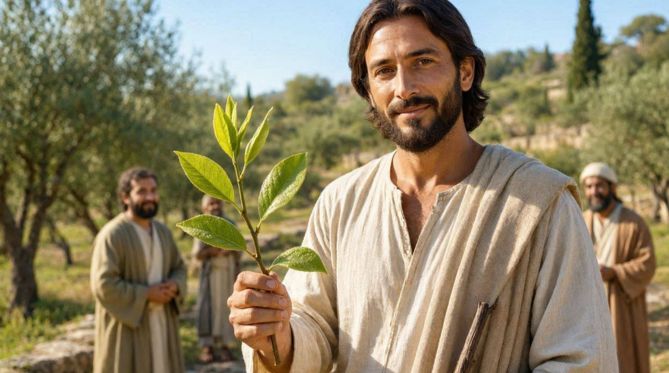
Jesus Used New Leaves as a Sign of Hope
When Jesus taught about the coming kingdom, He referred to the fig tree.
As its branches became tender and leaves appeared, people recognized that summer was approaching.
His audience immediately understood the illustration.
Fresh leaves announced that a new season had arrived.
Likewise, God’s promises unfold according to His perfect timing.
Believers are called to remain watchful, patient, and hopeful.
Even when change seems slow, God continues working behind the scenes.
Falling Leaves Remind Us That Earthly Things Are Temporary
Isaiah compares humanity’s condition to leaves that fade and fall.
The picture is both beautiful and sobering.
Leaves eventually wither despite their earlier beauty.
Likewise, earthly achievements, possessions, and human strength cannot last forever.
The prophet’s message encourages readers to place their confidence in God’s eternal kingdom rather than temporary success.
This perspective remains central to leaves symbolism in the Bible, reminding believers that lasting security is found only in the Lord.
Flourishing Leaves and Spiritual Fruitfulness
Healthy leaves often point toward something even greater—fruit.
While leaves are beautiful, they also indicate that a tree is alive and capable of producing nourishment.
Scripture uses this relationship to describe faithful believers.
God desires lives that display both spiritual vitality and lasting fruit.
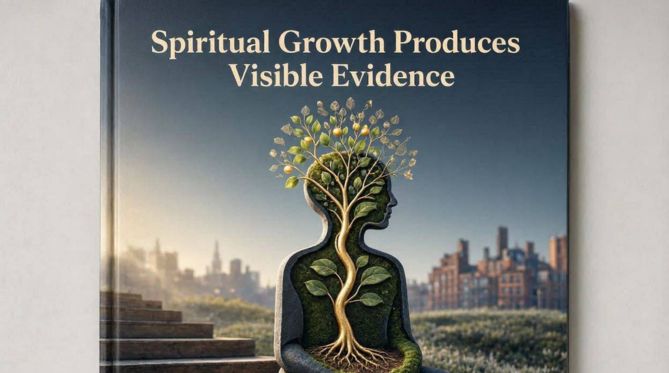
Spiritual Growth Produces Visible Evidence
As believers mature, their lives begin to reflect God’s character.
This growth becomes visible through qualities such as:
- Faithfulness
- Patience
- Kindness
- Humility
- Compassion
- Self-control
- Generosity
- Wisdom
These qualities do not appear overnight.
Like healthy leaves, they develop gradually through continual dependence on God.
A flourishing spiritual life is not measured by appearances alone but by consistent growth in Christlike character.
The leaves symbolism in the Bible beautifully illustrates this lifelong process of transformation.
Leaves Symbolism in the Bible and God’s Call to Spiritual Fruitfulness
One of the clearest messages behind leaves symbolism in the Bible is that God desires more than outward appearance. While healthy leaves suggest life, they should also point to lasting fruit. Throughout Scripture, fruitfulness represents a faithful life that honors God through obedience, love, and service.
A tree may look impressive from a distance because of its full canopy of leaves. However, if it never produces fruit, it fails to fulfill its purpose. In the same way, believers are called to display both spiritual vitality and practical faith.
The Lesson of the Fruitless Fig Tree
One of Jesus’ most memorable miracles involved a fig tree covered with leaves but lacking fruit.
At first glance, the tree appeared healthy. Its abundant leaves suggested that figs should also be present. Yet when Jesus examined it closely, He found nothing.
This event was not merely about a tree.
Instead, it served as a powerful illustration of spiritual hypocrisy. Israel had many outward signs of religion, but genuine faith and obedience were often missing.
For modern believers, this account encourages honest self-examination.
Questions worth asking include:
- Is my faith producing visible change?
- Do my actions reflect God’s love?
- Am I growing spiritually each year?
- Does my life point others toward Christ?
The leaves symbolism in the Bible reminds us that God values authentic faith over outward appearances.
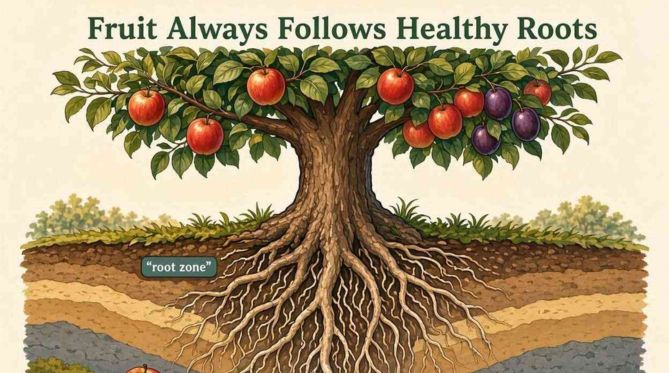
Fruit Always Follows Healthy Roots
Every thriving tree shares one important characteristic.
Its roots reach deep into healthy soil.
Without strong roots, even the greenest leaves eventually fade.
Spiritually, believers grow stronger when they remain rooted in God’s Word.
Daily prayer, regular worship, biblical study, and faithful obedience nourish the soul just as water nourishes a tree.
Visible fruit always begins with invisible roots.
The Contrast Between Flourishing and Withered Leaves
The Bible often presents two opposite pictures.
Some trees remain green throughout difficult seasons.
Others become dry, brittle, and lifeless.
This contrast illustrates two very different spiritual paths.
Green Leaves Reflect Trust in God
Several biblical passages describe righteous people as trees whose leaves remain green despite drought.
Their confidence does not depend on favorable circumstances.
Instead, it rests upon God’s unchanging faithfulness.
Green leaves symbolize:
- Faith
- Hope
- Perseverance
- Spiritual stability
- God’s blessing
- Steady growth
These qualities develop through continual dependence on the Lord.
Even during seasons of suffering, believers rooted in God continue to experience His sustaining grace.
Withered Leaves Warn Against Spiritual Decline
In contrast, withered leaves often represent separation from God’s life-giving presence.
The prophets frequently used this imagery when calling Israel to repentance.
A tree with dying leaves reveals that something is wrong beneath the surface.
Likewise, spiritual decline rarely happens overnight.
It often begins gradually through neglected prayer, compromise, pride, or misplaced priorities.
The Bible lovingly warns believers to remain connected to God so spiritual dryness does not take root.
These warnings are never meant to remove hope.
Instead, they invite people to return to the Lord, who gladly restores those who seek Him.
Leaves Symbolism in the Bible and the Seasons of Spiritual Growth
Every tree experiences changing seasons.
Spring brings new leaves.
Summer strengthens them.
Autumn transforms them.
Winter appears quiet.
Yet beneath the surface, life continues.
The Christian journey follows a similar pattern.
Not every season feels equally productive.
Sometimes believers experience rapid growth.
Other times they wait patiently while God works quietly within them.
Spring Represents New Beginnings
Fresh leaves often symbolize new life.
Spiritually, they remind believers of salvation, renewed faith, answered prayer, and fresh opportunities to follow God.
Many people experience seasons when their relationship with God feels renewed after a difficult period.
Like young leaves emerging after winter, hope begins to grow again.
God specializes in making all things new.
Summer Illustrates Steady Maturity
As leaves mature, they provide shade, beauty, and support for developing fruit.
Likewise, mature believers become sources of encouragement for others.
Their wisdom, kindness, and steadfast faith strengthen families, churches, and communities.
This stage reminds Christians that spiritual maturity is not about perfection.
It is about consistent faithfulness over time.
Autumn Teaches the Value of Letting Go
Falling leaves serve an important purpose.
They prepare the tree for another season of growth.
Spiritually, believers sometimes need to release habits, fears, disappointments, or distractions that hinder their walk with God.
Although letting go can be difficult, God often uses these seasons to prepare His people for greater fruitfulness.
Winter Is Not the End
During winter, trees appear lifeless.
Yet deep within, growth quietly continues.
Many believers experience seasons when prayers seem unanswered or progress feels slow.
However, God’s work often continues beneath the surface.
The Bible repeatedly shows that waiting is never wasted when our hope remains in Him.
The leaves symbolism in the Bible encourages patience because every season has purpose in God’s plan.
Leaves as a Reminder of God’s Faithfulness Throughout History
From Genesis to Revelation, leaves appear during key moments in God’s unfolding story.
Although individual passages differ, together they reveal one consistent truth.
God remains faithful across every generation.
Whether providing shade in the wilderness, illustrating spiritual truths through prophets, or describing eternal healing in Revelation, leaves point beyond themselves to God’s enduring character.
His promises remain dependable regardless of changing circumstances.
Nature Declares the Wisdom of the Creator
Throughout Scripture, creation teaches spiritual lessons.
Jesus often pointed to seeds, birds, flowers, vineyards, and trees because His listeners understood these everyday examples.
Leaves remind believers that God’s wisdom can be seen in the natural world.
Every growing tree reflects His design.
Every changing season displays His order.
Every flourishing forest testifies to His creativity.
When believers observe nature with grateful hearts, they gain fresh appreciation for God’s power and faithfulness.
Lessons Every Christian Can Learn from Biblical Leaves
Studying leaves symbolism in the Bible offers practical wisdom for everyday life.
These lessons remain just as relevant today as they were thousands of years ago.
Stay Connected to the True Source
Just as leaves depend on the tree, believers depend on God.
Spiritual strength never comes through human effort alone.
Instead, it grows through daily fellowship with Him.
Growth Takes Time
Healthy trees do not mature overnight.
Likewise, spiritual growth is a lifelong journey.
God patiently shapes His people through every season.
Outward Beauty Should Reflect Inner Transformation
Beautiful leaves attract attention.
Yet lasting value comes from healthy roots and abundant fruit.
Christians are called to pursue genuine character rather than simply maintaining appearances.
Hope Always Follows God’s Promises
Even after winter, new leaves eventually appear.
This cycle reminds believers that difficult seasons do not last forever.
God’s promises remain secure, and His timing is always perfect.
Every Season Has Purpose
Whether experiencing joy or hardship, believers can trust that God is working for their good.
The changing leaves found throughout Scripture encourage patience, faith, and confidence in His plan.
By understanding these lessons, the leaves symbolism in the Bible becomes more than an interesting study of nature. It becomes a daily reminder to remain rooted in God, trust His timing, and continue growing in faith regardless of life’s changing seasons.
Leaves Symbolism in the Bible as a Sign of God’s Protection and Care
Another beautiful aspect of leaves symbolism in the Bible is the way leaves reflect God’s loving protection. Throughout Scripture, trees with full branches and healthy leaves often provide shade, shelter, and comfort. These practical benefits became powerful spiritual illustrations of God’s care for His people.
In the ancient world, shade could mean the difference between safety and danger. Travelers, shepherds, and families often rested beneath trees to escape the intense heat. As a result, leaves became associated with God’s provision, refuge, and faithful presence.
God Provides Shelter for Those Who Trust Him
The Bible frequently compares God’s care to refreshing shade.
Although the emphasis is often on the tree itself, its leafy branches create the shelter that protects those beneath them.
This imagery teaches several important truths.
God offers:
- Protection during difficult seasons
- Comfort in times of sorrow
- Strength during weakness
- Peace in the middle of uncertainty
- Rest for weary hearts
Just as leaves shield people from the burning sun, God’s presence surrounds those who place their trust in Him.
The leaves symbolism in the Bible reminds believers that they never face life’s challenges alone.
Jonah’s Plant Teaches a Lesson About Compassion
One memorable example appears in the Book of Jonah.
After Jonah became angry outside Nineveh, God caused a plant to grow and provide shade over him.
Its broad leaves protected Jonah from the scorching heat.
However, the following day the plant withered.
God used this simple event to teach Jonah about compassion.
Jonah cared deeply about losing temporary comfort, yet he showed little concern for the people of Nineveh.
The lesson extended far beyond the plant itself.
God revealed that His mercy reaches people, not just circumstances.
The leafy plant became an object lesson about God’s loving heart and His desire for people to value compassion over selfishness.
Leaves Symbolism in the Bible and the Promise of Renewal
Renewal is one of Scripture’s greatest themes.
Although life includes hardship, God’s plan always points toward restoration.
Healthy leaves beautifully illustrate this promise.
After winter passes, fresh leaves emerge once again.
Likewise, God brings new hope after seasons of disappointment.
God Specializes in New Beginnings
Throughout the Bible, God repeatedly restores individuals who have failed.
Consider people such as:
- Abraham
- Jacob
- David
- Peter
- Paul
Each experienced mistakes and setbacks.
Yet God continued His work in their lives.
The appearance of new leaves each spring reflects this same spiritual principle.
Failure does not have to be the final chapter.
God’s grace creates opportunities for fresh beginnings.
For believers today, leaves symbolism in the Bible serves as a reminder that God’s mercy is new every morning.
Renewal Often Begins Quietly
One remarkable characteristic of leaves is how gradually they appear.
Growth usually happens without dramatic announcements.
Day by day, small buds become healthy leaves.
Spiritual renewal often follows the same pattern.
Many people expect instant transformation.
Instead, God frequently works through steady, daily change.
Regular prayer.
Consistent Bible reading.
Faithful obedience.
Small acts of kindness.
Patient endurance.
These simple habits gradually produce visible spiritual growth.
The Relationship Between Leaves and Living Water
One recurring biblical image connects flourishing leaves with abundant water.
Healthy leaves cannot survive without nourishment.
Similarly, believers cannot thrive apart from God.
This comparison appears repeatedly throughout Scripture.
Living Water Sustains Spiritual Life
Trees planted beside rivers continue growing even during drought.
Their roots reach dependable sources of water beneath the surface.
Spiritually, God’s Word functions in much the same way.
It strengthens believers during seasons when outward circumstances become difficult.
Instead of depending on changing emotions, Christians draw strength from God’s unchanging truth.
This lesson explains why Scripture repeatedly connects green leaves with rivers, streams, and flowing water.
A Rooted Life Produces Lasting Stability
Storms may shake a tree.
Strong winds may bend its branches.
Dry seasons may test its endurance.
Yet healthy roots allow the tree to survive.
The same principle applies spiritually.
Believers rooted in God’s promises remain steady despite life’s uncertainties.
Their confidence rests not in changing situations but in God’s faithful character.
The leaves symbolism in the Bible reminds Christians that lasting strength begins beneath the surface.
Leaves and the Difference Between Outward Religion and Genuine Faith
One of the Bible’s strongest warnings concerns the danger of outward appearances without inward transformation.
Leaves help illustrate this truth.
A tree covered with leaves appears healthy.
Yet appearances alone cannot guarantee life or fruitfulness.
God Looks Beyond External Appearance
Throughout Scripture, God consistently examines the heart.
People often judge by what they can see.
God sees motives, attitudes, and intentions.
This truth appears repeatedly in both the Old and New Testaments.
Religious activities are valuable when they flow from sincere faith.
However, outward actions alone cannot replace a genuine relationship with God.
The account of the leafy but fruitless fig tree illustrates this important lesson.
Its appearance promised fruit.
Its reality disappointed.
Believers are encouraged to cultivate authentic faith that produces both healthy “leaves” and lasting spiritual fruit.
Genuine Faith Produces Lasting Change
Real transformation becomes visible over time.
It influences:
- Words
- Decisions
- Relationships
- Priorities
- Attitudes
- Acts of service
These qualities cannot be manufactured through appearance alone.
Instead, they grow naturally as believers remain connected to Christ.
This principle lies at the heart of leaves symbolism in the Bible, reminding readers that God values sincere devotion more than impressive displays.
Biblical Trees That Help Explain Leaves Symbolism
Although Scripture often mentions leaves, it also highlights specific trees whose leaves contribute to their symbolic meaning.
Understanding these trees provides additional insight into the biblical message.
The Tree of Life
The Tree of Life appears at both the beginning and the end of the Bible.
Its leaves represent eternal healing and God’s perfect restoration.
This remarkable image reminds believers that God’s redemption story ends with everlasting life rather than loss.
The Fig Tree
The fig tree teaches several important lessons.
It represents:
- Spiritual readiness
- Fruitfulness
- Personal responsibility
- Discernment
- Authentic faith
Its leaves become significant because they reveal expectations about the tree’s condition.
The Olive Tree
The olive tree symbolizes endurance, blessing, and God’s covenant faithfulness.
Its evergreen appearance reflects stability and long-term fruitfulness.
Although Scripture focuses primarily on its fruit and oil, its continual greenery reinforces themes of lasting life and hope.
The Cedar of Lebanon
Cedars stand as symbols of strength, majesty, and durability.
Their evergreen branches remind believers that God establishes those who trust Him.
Like flourishing leaves, their continual greenery points toward lasting spiritual vitality.
What Modern Christians Can Learn from Leaves Today
Although thousands of years have passed since the biblical writers recorded these images, their lessons remain remarkably relevant.
Every changing season offers opportunities to remember God’s truth.
Each healthy tree can remind believers to remain rooted in Christ.
Every new leaf points toward hope.
Every falling leaf reminds us to trust God’s timing.
Every flourishing branch encourages continued spiritual growth.
The leaves symbolism in the Bible remains a practical source of encouragement because it connects everyday observations with eternal spiritual truths.
Instead of viewing leaves as ordinary parts of nature, believers can see them as reminders of God’s faithfulness, wisdom, provision, protection, and unfailing love.
Leaves Symbolism in the Bible from Genesis to Revelation
One of the most fascinating aspects of leaves symbolism in the Bible is how this imagery appears throughout the entire biblical narrative. From the opening chapters of Genesis to the closing vision in Revelation, leaves quietly reinforce God’s plan of creation, redemption, and eternal restoration.
Although the circumstances differ, the message remains remarkably consistent. God uses leaves to reveal spiritual truths about life, faith, hope, healing, and His unchanging character.
By following this theme across Scripture, believers gain a deeper appreciation for the unity of God’s Word.
Genesis: Leaves and Humanity’s First Response to Sin
The Bible first mentions leaves shortly after Adam and Eve disobeyed God.
Feeling shame for the first time, they gathered fig leaves and made coverings for themselves.
This moment teaches several important lessons.
First, sin immediately affected humanity’s relationship with God.
Second, people instinctively tried to solve their problem through their own efforts.
Finally, the temporary covering made from leaves revealed that human solutions could never remove guilt.
Only God could provide the lasting covering that humanity truly needed.
This first appearance of leaves establishes a pattern that continues throughout Scripture. Human effort falls short, while God’s grace provides complete restoration.
The Old Testament: Leaves Become Symbols of Faith and Warning
As Israel’s history unfolds, leaves take on richer symbolic meaning.
The Psalms describe righteous people as flourishing trees whose leaves never wither.
The prophets use healthy leaves to represent God’s blessing and withered leaves to warn against rebellion.
Ezekiel introduces healing leaves growing beside the river flowing from God’s presence.
Isaiah compares fading leaves to the temporary nature of human life.
Each passage adds another layer to the leaves symbolism in the Bible, helping readers understand both God’s promises and His warnings.
The Gospels: Jesus Uses Leaves to Teach Spiritual Truths
Jesus frequently taught through everyday examples.
Trees, seeds, vineyards, and fields became powerful illustrations because His listeners understood agriculture.
The fig tree covered with leaves became a lesson about genuine faith.
Later, the budding fig tree became a picture of recognizing God’s timing.
These teachings remind believers to remain spiritually alert and to produce lives that honor God.
Jesus never used nature merely for illustration.
Instead, He revealed eternal truths through familiar experiences.
Revelation: Leaves Point to Eternal Hope
The Bible concludes with one of its most beautiful images.
The Tree of Life stands beside the river flowing from God’s throne.
Its fruit appears every month.
Its leaves bring healing to the nations.
This remarkable picture shows that God’s story ends in complete restoration.
Sin no longer separates people from Him.
Suffering disappears.
Life flourishes forever.
The final appearance of leaves beautifully completes the biblical message that began in Genesis.
Important Bible Passages Connected to Leaves
The Bible contains numerous verses that help explain leaves symbolism in the Bible. While each passage has its own context, together they reveal consistent spiritual themes.
| Bible Passage | Main Theme | Key Lesson |
|---|---|---|
| Genesis 3:7 | Fig leaves | Human effort cannot remove sin |
| Psalm 1:3 | Flourishing leaves | Those rooted in God remain spiritually strong |
| Jeremiah 17:8 | Green leaves | Trusting God brings lasting stability |
| Isaiah 64:6 | Falling leaves | Human weakness apart from God |
| Isaiah 34:4 | Withered leaves | The certainty of God’s judgment |
| Ezekiel 47:12 | Healing leaves | God’s presence brings restoration |
| Matthew 24:32 | New leaves | Recognizing God’s perfect timing |
| Mark 11:13–14 | Fruitless fig tree | Genuine faith should produce fruit |
| Revelation 22:2 | Tree of Life | Eternal healing and God’s final restoration |
Together, these passages provide a balanced understanding of how leaves function throughout biblical teaching.
Common Misunderstandings About Leaves Symbolism in the Bible
Because biblical symbolism is rich and meaningful, some interpretations move beyond what Scripture actually teaches.
Studying passages within their proper context helps avoid confusion.
Leaves Are Not Magical Objects
The Bible never presents leaves as possessing supernatural power by themselves.
Their importance comes from what they represent.
Whether symbolizing healing, life, or renewal, the focus always remains on God rather than the leaves themselves.
Biblical symbols point toward spiritual truth, not mystical practices.
Every Mention of Leaves Does Not Carry Symbolic Meaning
Some passages simply describe natural events.
Others intentionally use leaves as illustrations.
Readers should carefully consider the surrounding context before assigning symbolic meaning.
This approach helps preserve accurate biblical interpretation.
Healing Leaves Point to God’s Power
When Scripture describes healing leaves, the emphasis remains on God’s provision.
The leaves themselves are part of a larger picture of restoration flowing from God’s presence.
Understanding this distinction keeps the focus where Scripture places it—on the Lord’s saving and healing work.
Practical Ways to Apply Leaves Symbolism in the Bible
Learning about leaves symbolism in the Bible becomes most valuable when it influences daily living.
Biblical knowledge should always lead to spiritual growth.
Here are several practical ways believers can apply these lessons.
Stay Rooted in God’s Word
Healthy leaves depend on healthy roots.
Likewise, believers remain spiritually strong by spending regular time in Scripture.
Daily Bible reading builds faith, wisdom, and discernment.
Pray Through Every Season
Just as trees experience changing seasons, Christians encounter different stages of life.
Prayer keeps the heart connected to God during both joyful and difficult times.
Instead of relying on personal strength, believers learn to trust God’s guidance.
Pursue Spiritual Fruit
Leaves are important, but fruit reveals lasting maturity.
Christians should seek to grow in:
- Love
- Joy
- Peace
- Patience
- Kindness
- Goodness
- Faithfulness
- Gentleness
- Self-control
These qualities reflect God’s work within the believer.
Trust God’s Timing
New leaves do not appear before their season.
Likewise, God’s plans unfold according to His perfect wisdom.
Waiting can be difficult.
However, Scripture repeatedly reminds believers that God’s timing is always best.
Encourage Others to Grow
Healthy trees benefit everything around them.
They provide beauty, shade, shelter, and nourishment.
Christians are called to encourage others through acts of kindness, prayer, generosity, and faithful service.
A growing believer often becomes a source of hope for many people.
Key Spiritual Lessons from Leaves in Scripture
The Bible uses leaves in many different settings, yet several consistent themes emerge.
These truths summarize the overall message of leaves symbolism in the Bible.
- God is the source of all spiritual life.
- Healthy roots produce healthy lives.
- Genuine faith bears visible fruit.
- Spiritual growth requires patience.
- God’s healing brings complete restoration.
- Every season has a purpose.
- Human effort cannot replace God’s grace.
- Hope remains because God’s promises never fail.
- Eternal life is found through God’s redemption.
- Creation continually points people toward the Creator.
Taken together, these lessons reveal that leaves are far more than background details in Scripture. They serve as enduring reminders of God’s faithfulness, wisdom, provision, and desire for His people to flourish in every season of life.
FAQs
What is the spiritual meaning of leaves?
In Scripture, leaves often symbolize life, renewal, healing, spiritual growth, and God’s provision. Healthy leaves represent a flourishing relationship with God, while withered leaves can symbolize spiritual decline or the consequences of turning away from Him. Understanding leaves symbolism in the Bible helps believers see how God uses nature to teach lasting spiritual truths.
What does the Bible say about leaves?
The Bible mentions leaves in several important passages from Genesis to Revelation. They appear in stories about the Garden of Eden, flourishing trees, prophetic visions, the fig tree, and the Tree of Life. Together, these verses show that leaves can represent faith, hope, healing, fruitfulness, God’s care, and eternal restoration.
Who wore leaves in the Bible?
Adam and Eve were the first people recorded in Scripture to wear leaves. After eating the forbidden fruit, they sewed fig leaves together to cover themselves because they became aware of their nakedness (Genesis 3:7). Their actions showed humanity’s first attempt to deal with sin without depending on God, while God’s later provision of garments pointed toward His greater plan of redemption.
What does “leaf” mean in Hebrew?
The primary Hebrew word for leaf is “aleh” (עָלֶה), which generally means “leaf” or “that which goes up.” The word appears throughout the Old Testament in passages describing trees, flourishing vegetation, and symbolic illustrations of spiritual life. In many contexts, it reflects growth, vitality, and God’s sustaining power.
What Bible verse talks about leaves being used for healing?
Two of the best-known passages are Ezekiel 47:12 and Revelation 22:2. Ezekiel describes trees growing beside a life-giving river whose leaves are used for healing. Revelation completes this picture by describing the Tree of Life, whose leaves bring healing to the nations. These passages emphasize God’s ultimate plan of complete restoration.
Conclusion
The study of leaves symbolism in the Bible reveals a beautiful thread woven throughout God’s Word. From the fig leaves in Eden to the healing leaves of the Tree of Life, Scripture uses this simple part of creation to communicate profound spiritual lessons about faith, renewal, healing, obedience, and eternal hope.
Healthy leaves remind believers to remain deeply rooted in God. Flourishing trees encourage steadfast faith during every season, while withered leaves serve as loving warnings against spiritual complacency. Above all, the Bible points beyond the leaves themselves to the Creator who gives life, sustains His people, and fulfills every promise.
Whether you are reading Psalm 1, Jeremiah 17, Ezekiel 47, the teachings of Jesus, or Revelation 22, the message remains consistent. God desires His people to grow, bear fruit, trust His timing, and remain connected to Him. As you reflect on leaves symbolism in the Bible, let every green leaf remind you of God’s faithfulness, every changing season strengthen your hope, and every promise in Scripture deepen your confidence in His unfailing love.

welcome to blessnexa I am Muhammad inam an ai powered seo and content writer with 4 years of experienceI help website rank higher , grow traffic ,and look amazing ,my goal is to make SEO and web design simple andeffective for everyone .lets achieve more togather